
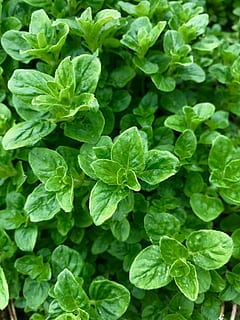
Oregano is a useful culinary herb with a strong aroma and a long history in Mediterranean cooking. Its leaves contain compounds such as carvacrol and thymol that have been studied in laboratory settings, but that does not make oregano or oregano oil a proven treatment for infections or other medical conditions.
For home gardeners, the most reliable benefits are straightforward: oregano is easy to grow, flavorful in the kitchen, attractive to pollinators when it flowers, and well suited to sunny containers and herb beds.
What Research Says About Oregano
Oregano compounds show antimicrobial activity in some laboratory studies, but evidence for treating human illness is much more limited. The National Center for Complementary and Integrative Health notes that there is no strong evidence that oil of oregano by itself prevents or treats colds; its evidence summary on complementary health approaches is a useful reminder that laboratory findings do not automatically translate into proven medical treatments.
Use Oregano as a Culinary Herb
Fresh or dried oregano works well in tomato sauces, roasted vegetables, marinades, beans, soups, and grilled foods. The leaves can be chopped fresh or dried for later use without turning the herb into a medical remedy.
For a classic culinary type, Greek oregano offers a strong flavor suited to Mediterranean dishes.
Grow Oregano in Full Sun
Oregano prefers strong light and well-drained soil. Once established, it tolerates drier conditions better than many leafy herbs. Avoid keeping the root zone constantly wet.
Our herb garden ideas article covers containers, raised beds, and ways to group herbs by similar watering needs.
Harvest Before or During Early Bloom
Cut stems with clean scissors and leave enough foliage for the plant to recover. Regular harvesting encourages branching. Flowering stems can also be left in place when pollinator value is more important than leaf production.
Dry Oregano for Storage
Air-dry small bundles or use a dehydrator at a low setting, then store the fully dried leaves in a clean airtight container away from heat and direct light.
Build a Practical Kitchen Herb Garden
Oregano grows well with other Mediterranean herbs that prefer good drainage and bright light. Our guide to growing an Italian herb garden explains how to combine oregano with basil, rosemary, sage, parsley, and other culinary plants.
Keep Health Claims in Perspective
Oregano is best treated as food and a garden plant unless a qualified health professional recommends otherwise. Essential oils are concentrated products and can irritate skin or cause other problems when used improperly. For gardeners, the most dependable value remains growing a healthy herb and using it safely in the kitchen.