
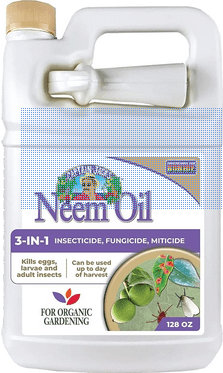
Neem-oil products can be useful tools for managing certain insects, mites, and fungal diseases in home gardens, but they work best when used for the specific pests and plants listed on the label. They are not a universal cure, and “natural” does not mean risk-free.
Bonide Captain Jack’s Neem Oil is one example of a neem-based garden product. The key to using it well is accurate pest identification, complete coverage when the label calls for it, and careful timing around pollinators and hot weather.
What Neem Oil Can Control
EPA-registered neem-oil products are labeled for problems that can include aphids, whiteflies, spider mites, powdery mildew, black spot, rust, and other listed pests or diseases. The EPA neem-oil label database shows how product uses and precautions are defined by the registered label.
Identify the Problem First
Do not spray simply because a plant looks unhealthy. Yellowing, leaf spots, curling, and poor growth can come from insects, disease, watering problems, nutrient issues, or environmental stress. Treating the wrong problem wastes product and can affect beneficial insects.
Use Neem Carefully Around Pollinators
Avoid unnecessary applications to open flowers when bees and other pollinators are actively foraging. Our pollinator-friendly garden guide explains why targeted pest management is better than routine broad spraying.
Neem Oil Is Only One Pest-Management Tool
Removing badly infested leaves, improving airflow, correcting irrigation, washing aphids from plants, and encouraging beneficial insects may reduce pest pressure before a spray is needed. Our guide to controlling earwigs shows the same integrated approach of identifying the pest before selecting a treatment.
Test Sensitive Plants First
Some plants can be sensitive to oil sprays, especially during high heat or drought stress. Follow the label, avoid applying under conditions the manufacturer warns against, and test a small area when plant sensitivity is uncertain.
Use It Where It Fits the Crop
Neem-based products are commonly used on ornamentals, vegetables, herbs, and houseplants when those uses appear on the specific label. If you grow herbs such as Sweet Italian basil, always verify that the product label allows use on edible plants and follow harvest and application directions exactly.
Follow the Label Every Time
The pesticide label is the legal direction for mixing, timing, protective equipment, listed plants, and target pests. Used correctly, neem oil can be a useful part of an integrated garden-care program. Used casually, it can create unnecessary risk without solving the underlying problem.