
Fertilizer is a tool for supplying nutrients that plants need, not a shortcut that can overcome poor roots, bad drainage, inadequate light, or unsuitable soil pH. The best fertilizer program begins with knowing what the plant and soil actually need.
Applying more fertilizer than a plant can use can waste money, injure roots, create nutrient imbalances, and contribute to nutrient loss into the environment.
What N-P-K Means
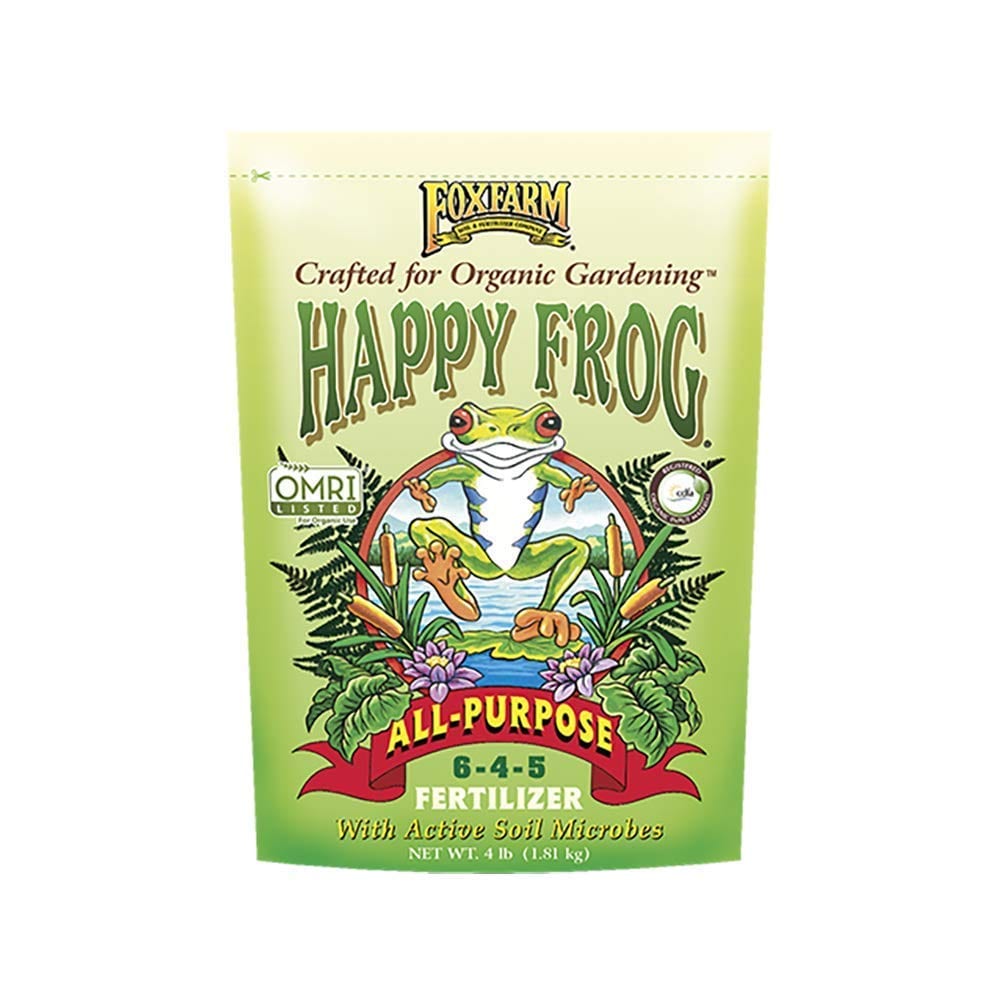
The three numbers on a fertilizer label represent the percentages of nitrogen, phosphate, and potash expressed in standardized fertilizer terms. University of Minnesota Extension’s fertilizer guide explains how these nutrients support plant growth and why soil testing should guide applications.
Nitrogen Supports Growth, but Form and Rate Matter
Plants primarily absorb nitrogen as nitrate and ammonium. Urea must be converted in the soil before most of its nitrogen becomes available to roots. Temperature, moisture, microbes, pH, and application method all affect those transformations, so no single nitrogen form is automatically best for every crop and situation.
More Phosphorus Does Not Automatically Mean More Flowers
Phosphorus is essential for energy transfer, roots, and reproduction, but adding excess phosphorus to soil that already has enough does not guarantee more blooms. High soil phosphorus can contribute to nutrient imbalances and environmental runoff.
Potassium Has Several Roles
Potassium helps regulate water movement, enzymes, and many physiological processes. Like other nutrients, it should be supplied according to crop requirements rather than simply increased because a plant is under stress.
Test Before You Correct
Yellow leaves, poor growth, and weak flowering can have many causes besides nutrient deficiency. Check roots, irrigation, light, temperature, pests, and soil pH before fertilizing. Our guide to silicon and plant health explains why supplemental products cannot replace sound growing conditions.
Soil pH Changes Nutrient Availability
Different crops perform best at different pH ranges, and container crops can have especially specific requirements. Petunias, for example, are commonly managed in a moderately acidic root zone. If you grow plants such as Double Vogue White petunia, monitor the whole root-zone program rather than treating fertilizer concentration alone as the answer.
Build Soil Health Alongside Fertility
In outdoor gardens, compost, soil structure, drainage, mulch, and appropriate nutrient applications work together. Our organic gardening guide covers those broader soil-management basics.
Use Fertilizer to Meet a Measured Need
Choose a fertilizer based on the crop, growing medium, water quality, and soil or tissue information available to you. More is not better. The goal is a balanced supply that supports steady growth without creating excess salts or unused nutrients.