
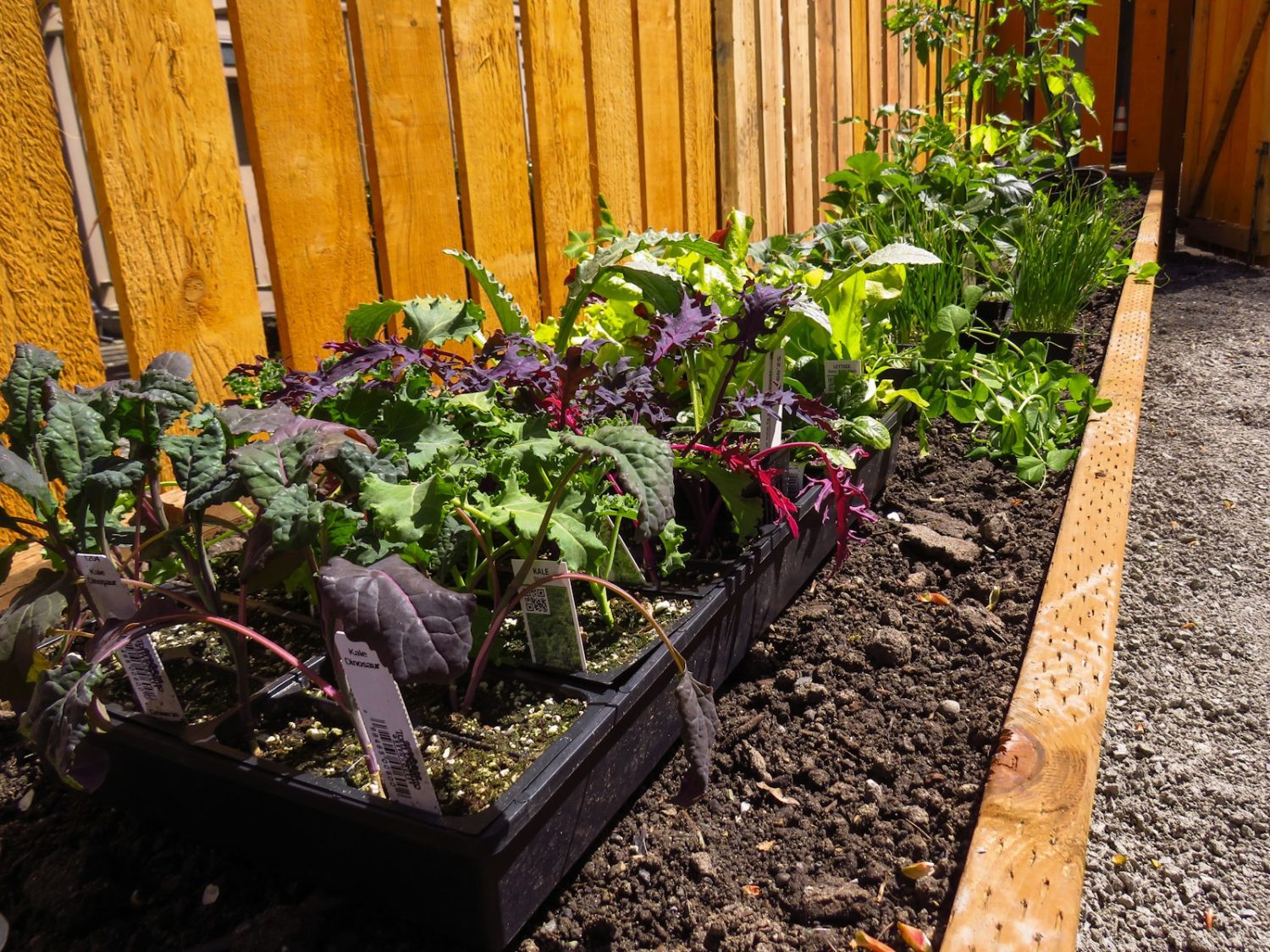
A raised garden bed is one of the best ways to grow vegetables, flowers, or herbs in a controlled and healthy environment. It gives you better soil quality, easy access, and improved drainage. But many people hesitate because they think building one costs a lot. The truth is, you can create a raised bed that’s sturdy, functional, and beautiful without spending much money. All it takes is a bit of planning, creativity, and resourcefulness. Let’s explore how you can build a raised garden bed on a budget.
1. Choose Affordable Materials: Think Beyond Store-Bought Lumber
The most expensive part of building a raised bed is usually the material for the walls. But you don’t have to buy brand-new boards. With a little creativity, you can use low-cost or even free materials.
Reclaimed Wood
Check for old pallets, fencing, or scrap lumber. Many businesses give away pallets for free. Break them down and use the boards for your bed walls. Just make sure the wood is untreated so chemicals don’t leach into your soil.
Cinder Blocks or Bricks
If you can find used cinder blocks or bricks, they make excellent garden bed walls. They’re durable, easy to stack, and often free if you ask around or look at local buy-and-sell groups.
Logs or Branches
If you live near wooded areas or have access to fallen trees, logs can be used to build the sides of your raised bed. They look rustic, hold soil well, and cost nothing but the effort to move them.
Corrugated Metal
Old roofing sheets or leftover corrugated metal can be turned into sleek, modern garden bed walls. Pair them with wooden corner posts for strength, and you’ll have a bed that’s sturdy and stylish without the price tag.
Upcycled Household Items
Think outside the box. Old bathtubs, dresser drawers, barrels, or even large plastic bins can all serve as raised garden beds. The only requirement is good drainage, so drill holes if necessary.
2. Keep the Design Simple: Save on Time and Tools
Raised beds don’t need to be fancy to work well. A simple box-shaped bed will do the job. By focusing on function instead of style, you can save both money and time.
Standard Dimensions
A common size is 4 feet wide by 8 feet long. This width makes it easy to reach plants from either side without stepping on the soil. The height can be as low as 6 inches or as high as 24 inches, depending on how much material you have and what you plan to grow.
Basic Assembly
- Place your boards, blocks, or other materials in a rectangle.
- Secure the corners with nails, screws, or stakes.
- Make sure the structure is level so water drains evenly.
You don’t need special tools. A hammer, drill, or even just a strong set of hands for stacking blocks is often enough.
Skip the Extras
You don’t need a bottom or fancy trim. Leaving the bottom open allows roots to go deeper and improves drainage. This also cuts down on costs.
3. Fill the Bed Cheaply: Layer Instead of Buying Bags
Filling a raised bed can get expensive if you buy all bagged soil. But you can use a layering method to fill it up cheaply while still giving your plants healthy soil.
Hugelkultur Method
At the bottom of your bed, place logs, branches, and sticks. This saves soil, helps with drainage, and slowly breaks down to add nutrients.
Next Layer: Organic Waste
Add leaves, grass clippings, straw, or cardboard. These materials decompose over time and enrich the soil.
Top Layer: Soil and Compost
Finally, add a mix of topsoil and compost to the top 8–12 inches. This is where your plants will grow, so invest a little here if you can. If you don’t want to buy soil, ask neighbors for leftover dirt from projects or look for free fill dirt in your community.
Tip for Saving Money on Soil
- Mix native soil with homemade compost.
- Contact local farms or stables for free manure (make sure it’s aged).
- Check municipal compost programs—some towns give compost away.
Your Garden Bed Without the Price Tag
In other words, building a raised garden bed doesn’t have to drain your wallet. By choosing low-cost materials like reclaimed wood, cinder blocks, or logs, keeping the design simple, and filling the bed with layered organic matter, you can create a productive garden space at a fraction of the cost.
With a little creativity, your raised bed will not only save money but also bring you the joy of fresh food, vibrant flowers, and a thriving garden. Instead of focusing on what you don’t have, use what’s around you—and watch your budget-friendly garden bed flourish.
Budget-Friendly Garden Success Awaits
The beauty of gardening is that it adapts to you. You don’t need to spend big to grow big. With the right mix of resourcefulness and care, your cheap raised garden bed can be every bit as lush and productive as an expensive one. Build it your way, enjoy the process, and let your garden prove that simplicity grows abundance.