
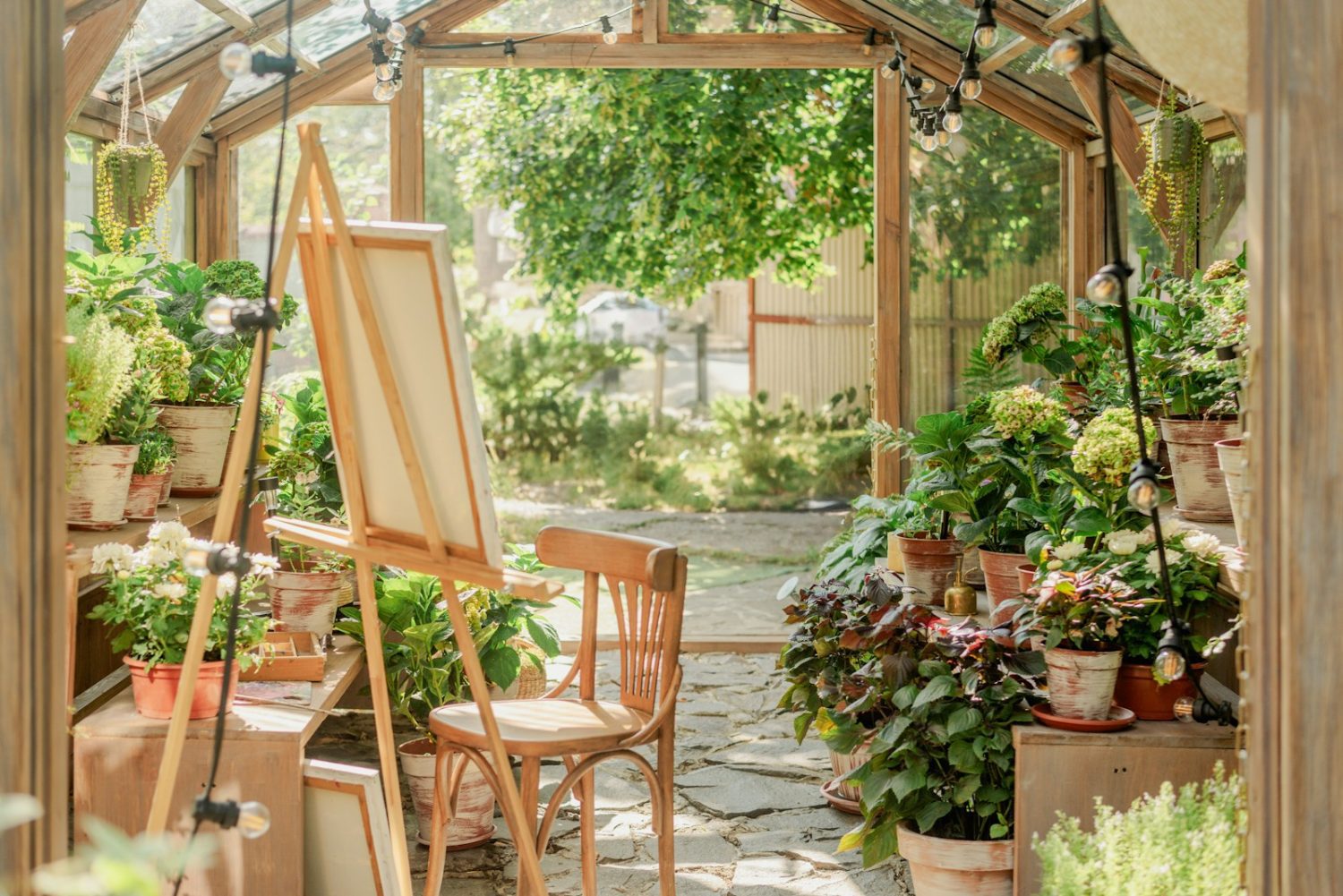
A cottage garden is known for loose, layered planting, winding paths, fragrant herbs, flowering perennials, and a sense that the garden grew naturally over time. Modern design brings a useful counterbalance with cleaner lines, simpler hardscapes, and better-defined spaces.
The two styles work well together. The goal is not to make a cottage garden look rigid. Instead, use modern structure to frame the abundance so the space feels lush without becoming chaotic.
Start With a Clear Layout
Before choosing plants, decide where people will walk, sit, and enter the garden. Keep the main paths easy to follow and leave enough room to maintain the beds. The University of Georgia Extension recommends starting landscape design with a site plan and careful assessment of light, drainage, existing features, and intended use; its landscape site-analysis guide is a useful reference.
Mix Soft Planting With Crisp Edges
Cottage beds look best when plants overlap and mingle. Use straight or gently curved edging, gravel paths, simple pavers, steel edging, or clean timber to give those loose plantings a deliberate frame.
For the plant palette, combine long-lived choices from our guide to low-maintenance perennials with seasonal flowers and herbs. Repeating a few key plants throughout the bed helps keep the design cohesive.
Choose Classic Cottage Plants
Roses, iris, salvia, lavender, catmint, coneflower, daylilies, alliums, herbs, and ornamental grasses can all fit the style. A product such as Iris germanica (bearded iris) adds strong spring color and upright foliage that contrasts nicely with softer mounding plants.
Plant for Pollinators Too
A cottage garden naturally lends itself to flowers with different shapes and bloom seasons. Include spring, summer, and fall bloomers so bees, butterflies, and hummingbirds have a longer feeding season. Our pollinator-friendly garden guide can help you build that layer into the design.
Use Modern Hardscape Sparingly
Modern materials work best as accents. A simple black trellis, a clean-lined bench, one large container, or understated path lighting can provide structure without overpowering the flowers. Keep the number of materials limited so the plants remain the main feature.
Blend Edibles With Ornamentals
Traditional cottage gardens often mixed food and flowers. Herbs can edge paths, compact vegetables can fill sunny gaps, and small fruiting plants can be trained against fences. This makes the garden productive while preserving its informal character.
Keep Maintenance Practical
Group plants with similar water and light needs. Mulch exposed soil, use drip irrigation where practical, and leave enough access for pruning and dividing. These simple decisions keep the garden looking generous without turning it into a constant maintenance project.
Let the Garden Mature
A modern cottage garden usually improves as plants fill in and repeat through the space. Start with a strong layout, choose plants suited to the site, and allow some controlled softness around the edges. The finished garden should feel personal, abundant, and welcoming while still having enough structure to look intentional.