
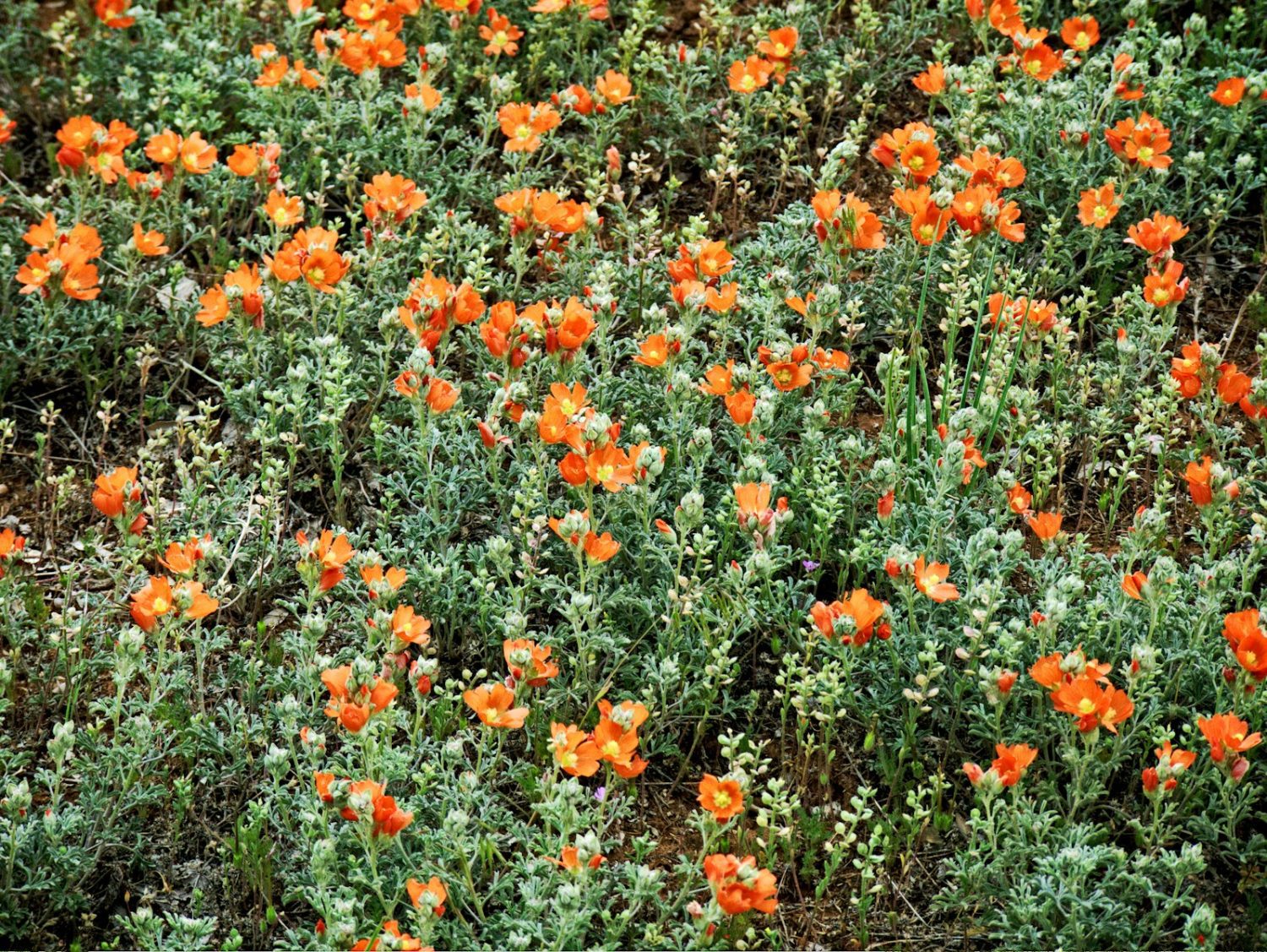
Low-maintenance perennials can give a garden structure, seasonal flowers, foliage color, and winter texture without requiring the constant replanting that annual beds need. The key is not finding a plant that needs no care. It is choosing plants that fit the site so routine care stays manageable.
Plan for a sequence of interest instead of expecting every perennial to bloom all year. Combine early, midseason, and late bloomers with foliage plants, seed heads, and evergreen structure.
Start With the Right Plant in the Right Place
University of Georgia Extension emphasizes matching perennials to their light, moisture, soil, and climate requirements. Its guide to success with herbaceous perennials notes that planning and site selection are central to long-term performance.
Plan for Spring
Spring color can come from creeping phlox, columbine, hellebores, iris, and other early perennials. Bearded iris also contributes strong upright foliage after flowering. Our Iris germanica (bearded iris) is one option for a sunny, well-drained perennial bed.
Carry Color Through Summer
Coneflowers, coreopsis, daylilies, black-eyed Susans, hardy hibiscus, and ornamental grasses can carry the garden through hot weather when they are suited to the site. Repeat a few dependable plants rather than filling the bed with one of everything.
Extend the Season Into Fall
Asters, sedum, goldenrod, ornamental grasses, and late-blooming native species can keep the landscape active after many summer flowers fade. Late flowers are especially valuable to pollinators preparing for migration or winter.
For a garden built around regional species and wildlife value, our guide to growing native plants explains how to match plants to local conditions.
Leave Winter Structure
Seed heads, ornamental grass plumes, evergreen foliage, and sturdy stems can keep a bed interesting after frost. Waiting until late winter or early spring to cut back selected plants can also provide food and shelter for wildlife.
Group Plants by Their Needs
Put drought-tolerant plants together and moisture-loving plants together. Match sun exposure carefully and allow enough room for mature size. Proper grouping reduces overwatering, unnecessary fertilizer, and repeated transplanting.
Support Pollinators With a Longer Bloom Season
Choose flowers with overlapping bloom times and varied shapes. The strategies in our pollinator-friendly garden guide can help turn a perennial border into a more useful habitat as well as an ornamental display.
Keep Maintenance Simple
Mulch to reduce weeds and conserve moisture, water deeply during establishment, divide crowded clumps when flowering declines, and remove diseased material promptly. A well-planned perennial bed still needs seasonal attention, but it should become easier to manage as plants settle into the right places.