
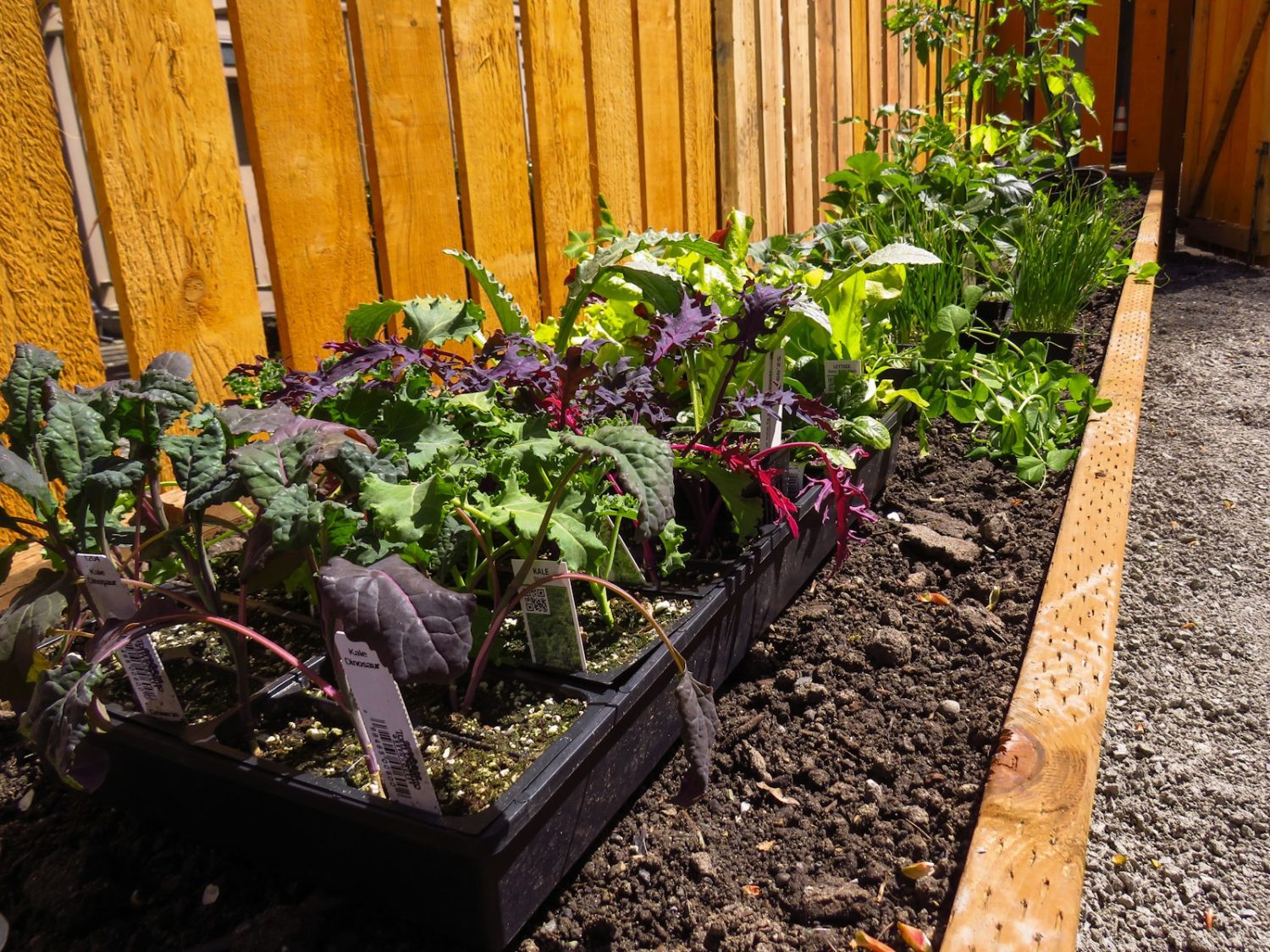
A raised garden bed can improve drainage, make soil easier to manage, and reduce bending while you work. It does not have to be expensive. The biggest savings usually come from keeping the design simple, choosing safe low-cost materials, and avoiding more depth than your crops need.
Before you buy anything, decide where the bed will go, how wide it should be, and what you plan to grow. A little planning can prevent wasted lumber, excess soil, and rebuilding later.
Choose a Simple Size
A bed about four feet wide works well because most gardeners can reach the center from either side without stepping on the soil. Length can vary, but eight feet is a practical size for many yards. For most vegetables, you do not need an extremely deep bed unless you are building it higher for easier access.
University of Georgia Extension notes that common raised beds are often about four feet wide and that making them needlessly deep increases the amount of fill material required. Its raised-bed construction guidance also discusses affordable materials such as pine, concrete block, brick, and stone.
Use Affordable, Appropriate Materials
Pine is often one of the least expensive lumber choices. It will not last as long as cedar or cypress, but replacing inexpensive boards after several seasons can still cost less than building the entire bed from premium lumber.
Concrete blocks, bricks, stone, logs, and sound reclaimed lumber can also work. Avoid railroad ties or wood treated with creosote. If you use reclaimed material, make sure you know what it was exposed to before placing it around edible crops.
Keep Construction Basic
For a wooden bed, cut four boards to length and fasten the corners with exterior-rated screws and sturdy corner blocks or posts. Set the frame on level ground. The bottom can remain open so roots, water, and soil life can connect with the ground below.
If you are still deciding how the bed should fit into the yard, a simple garden plan can help you work out paths, sunlight, bed spacing, and access before construction starts.
Save Money on the Soil
Bagged raised-bed soil can cost more than the frame. For normal-height beds, use a balanced mix of topsoil and finished compost instead of filling the whole bed with expensive specialty mixes. For very deep beds, clean untreated branches and other coarse plant material can reduce the amount of soil needed in the lower portion.
For a more complete soil formula, see our guide on how to fill a raised garden bed. It explains why a balanced root-zone mix is more useful than simply layering gravel or excessive compost.
Start With Crops That Fit the Bed
Compact crops help you get more production from a small bed. Herbs, peppers, bush beans, greens, and compact tomatoes are good choices. For example, Tiny Tim tomato plants are naturally compact and can work well where raised-bed space is limited.
Build for Value, Not Appearance Alone
A cheap raised bed does not need decorative trim or expensive hardware to grow healthy plants. Spend money where it matters most: a stable frame, safe materials, good soil, and reliable irrigation. With those basics in place, a simple bed can stay productive for years.