
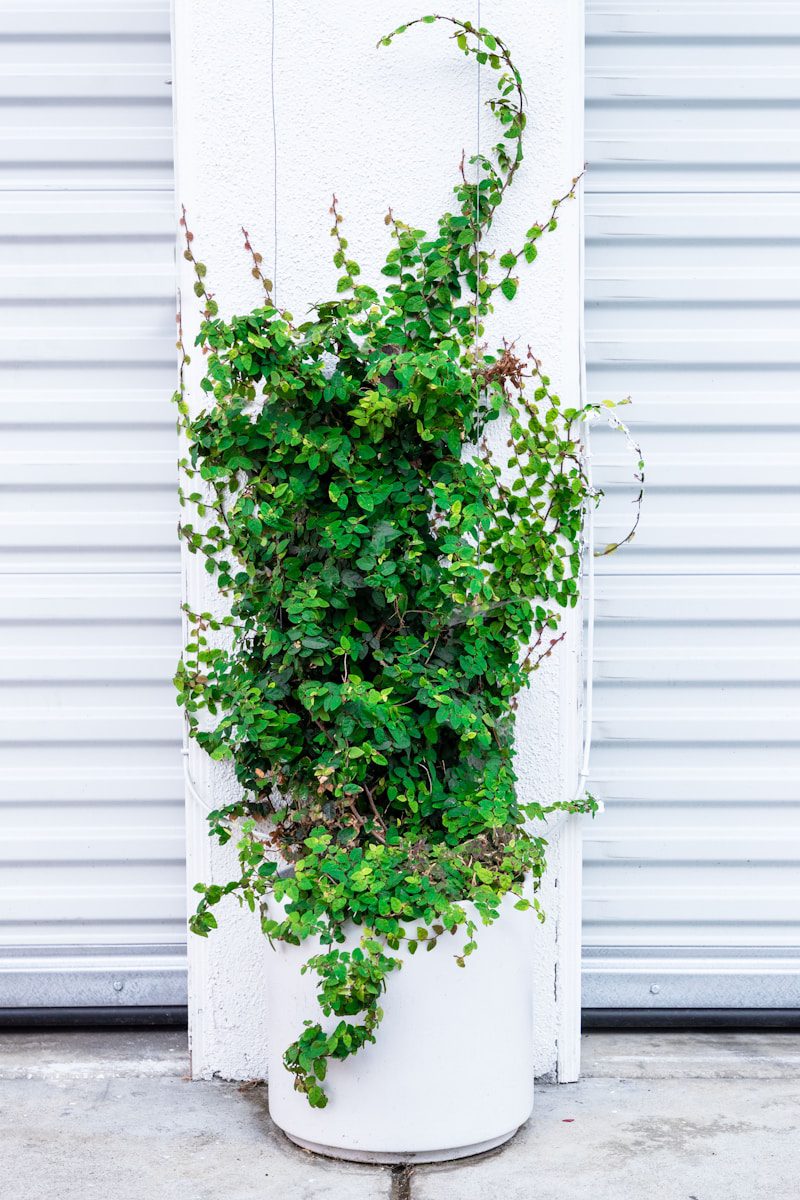
Vertical gardening uses walls, fences, trellises, towers, and hanging planters to create growing space where ground space is limited. It works especially well on patios, balconies, small yards, and along narrow garden beds.
Growing upward can also make harvesting easier, improve airflow around some crops, and turn a plain wall or fence into a productive part of the garden.
Choose the Right Location
Start by checking sunlight, wind exposure, access to water, and the strength of the wall, railing, or structure that will support the garden. University of Minnesota Extension recommends matching the site and support to the plants and securely anchoring vertical systems; its vertical gardening guidance offers a useful overview.
Pick Plants That Grow Up or Stay Compact
Pole beans, peas, cucumbers, indeterminate tomatoes, and many flowering vines naturally respond to support. Herbs, strawberries, leafy greens, succulents, and compact flowers work well in pockets, towers, and hanging containers.
If you want edible crops in tight quarters, our guide to vegetables for container gardening can help you choose varieties suited to smaller root zones.
Use Strong, Simple Supports
Trellises, arches, wire panels, towers, and sturdy stakes can all work. Match the support to the mature weight of the plant, including the extra weight added by fruit and wet foliage. Lightweight vines may need only a simple support, while large tomato or cucumber plants need something much stronger.
For individual stems and smaller climbing plants, bamboo plant support stakes provide a simple way to add vertical structure without taking much ground space.
Use the Right Growing Mix
Wall pockets, hanging baskets, and towers need a lightweight potting mix that drains well while holding enough moisture for roots. Avoid filling elevated containers with dense garden soil because it becomes heavy and can drain poorly.
Plan for More Frequent Watering
Vertical containers often dry faster than in-ground beds. Check moisture frequently during hot or windy weather. Drip irrigation or a small automatic system can make watering more consistent, especially when containers are stacked at different heights.
Use Vertical Space as Part of the Design
A vertical garden can provide privacy, screen an unattractive wall, frame a patio, or create a focal point. For more ways to make a limited area feel larger and more useful, see these small garden design ideas.
Keep Plants Accessible
Place crops you harvest often within easy reach. Prune vines as needed, tie stems loosely to supports, and remove damaged foliage before plants become overcrowded. A well-planned vertical garden should save space without making watering, pruning, or harvesting difficult.