
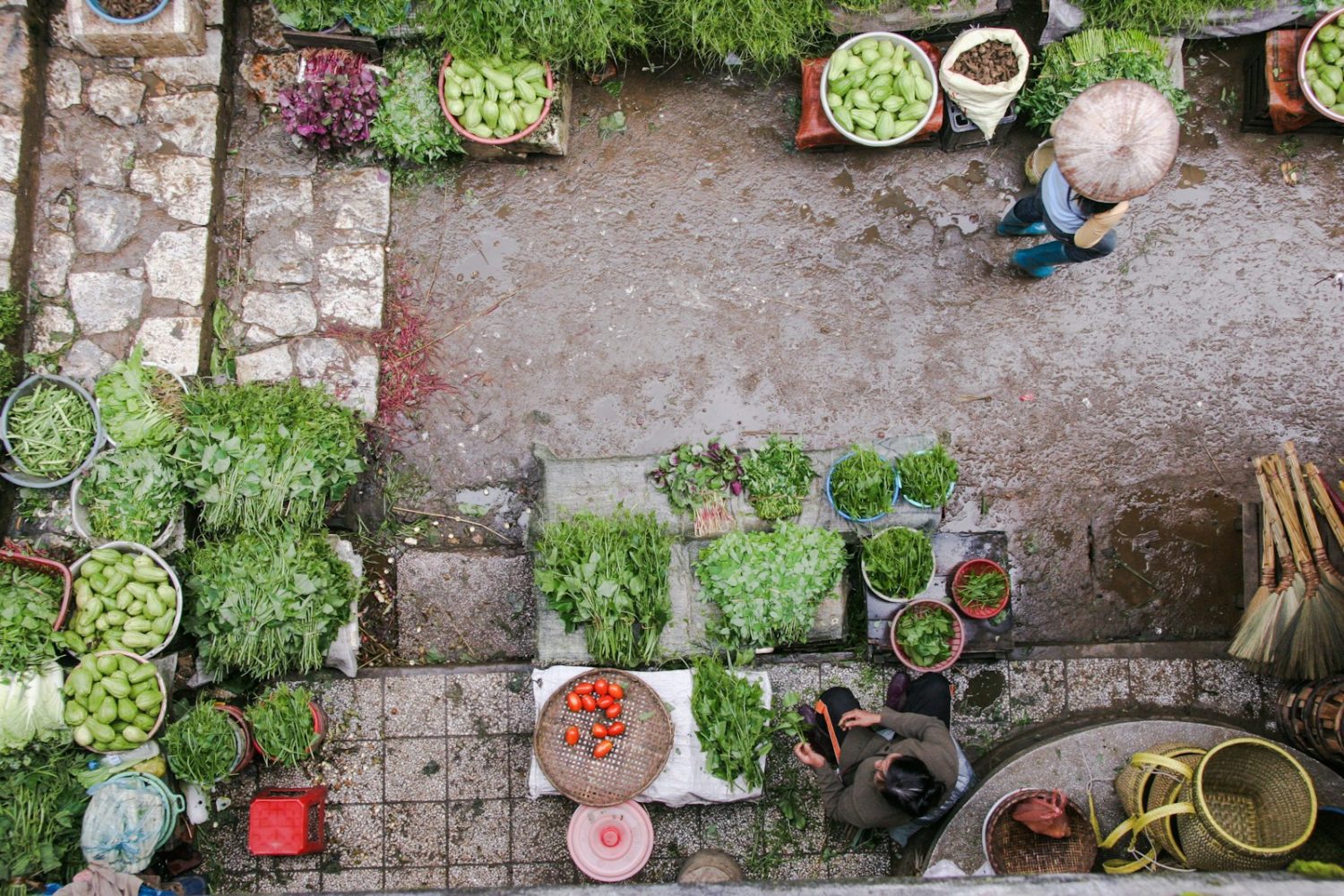
A small garden can feel generous when every part of the layout has a purpose. Clear paths, layered planting, compact furniture, containers, and vertical growing all help limited space feel more useful without making it crowded.
Start with the way you want to use the space, then build planting and features around that plan instead of trying to fit too many unrelated elements into one area.
Start With a Simple Plan
The University of Georgia Extension recommends beginning landscape design with a site analysis that records sun, drainage, existing features, and how the space will be used. Its landscape site-analysis guide is a practical starting point.
Create One or Two Clear Zones
Even a compact yard can have a small seating area, a planting zone, and a narrow path connecting them. Limiting the number of zones keeps the layout from feeling busy while still making the whole garden usable.
Grow Upward
Trellises, wall planters, arches, hanging baskets, and narrow supports can add growing space without taking over the ground. Our vertical gardening guide explains how to use walls and supports efficiently.
Use Containers to Keep the Layout Flexible
Containers can be moved as seasons change, grouped for stronger visual impact, or used to grow food near a kitchen door. Compact vegetables such as Tiny Tim tomato make productive use of small sunny spaces.
Choose Plants With More Than One Job
In a small garden, plants that provide flowers, fragrance, food, pollinator value, or seasonal foliage earn their space. Repeat a few dependable plants instead of using one of everything.
Layer Height and Texture
Place taller plants where they will not block important views, then use medium and low plants to create depth. Mixing upright foliage with mounding and trailing plants helps a narrow bed look fuller without becoming visually cluttered.
Connect the Garden to the House
Repeat colors or materials from the home in paths, containers, or furniture so the garden feels like an extension of the living space. For a softer planting style with clean structure, see our guide to creating a modern cottage garden.
Keep the Design Edited
Small spaces usually look better with fewer materials, fewer focal points, and repeated plant groups. Leave enough open space for movement, maintenance, and visual rest. A garden does not need to be full to feel complete.