
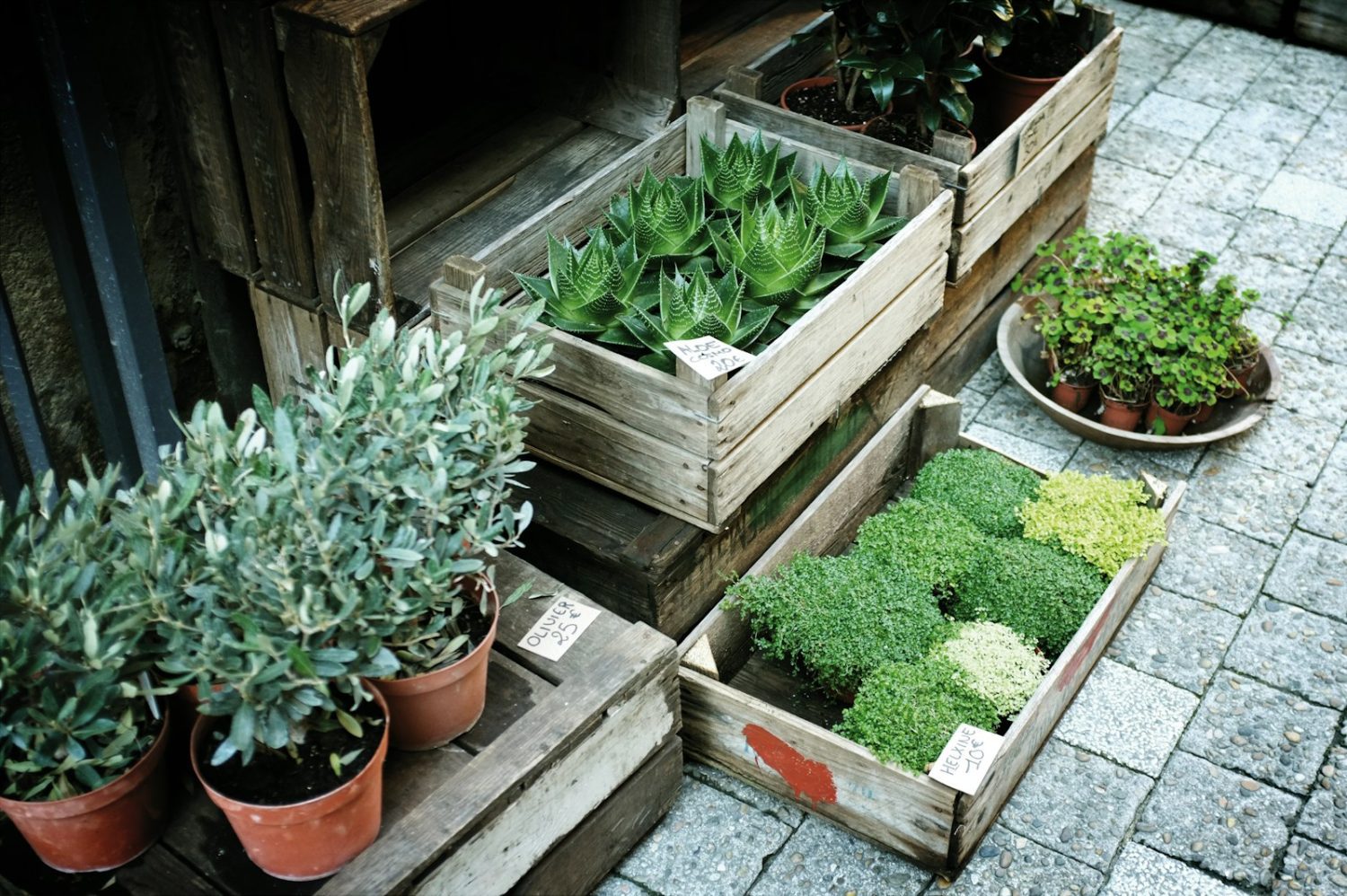
You do not need a large yard to grow vegetables. A sunny patio, balcony, porch, or small paved area can support a productive container garden when you choose crops that fit the available space and give their roots enough soil.
Container vegetables need three basics: enough sunlight, a container with drainage, and consistent moisture. Larger pots are usually easier to manage because they dry out more slowly and give roots more room.
Choose the Right Container Size
Alabama Cooperative Extension recommends matching container size to the crop and notes that tomatoes generally need at least 5 gallons of potting mix, while smaller crops such as lettuce and radishes can grow in much smaller containers. Its container gardening guide includes recommended sizes for many vegetables.
Tomatoes
Tomatoes are among the most popular container crops. Choose a large container, provide full sun, and support taller varieties with a cage or stake. Compact tomatoes are especially useful in tight spaces. Tiny Tim tomato has a naturally compact habit that makes it well suited to patio and balcony growing.
Peppers
Sweet and hot peppers perform well in containers when they receive warm temperatures, full sun, and steady moisture. Use a pot large enough to keep the root zone from drying too quickly during hot weather.
Leafy Greens
Lettuce, spinach, kale, mustard greens, and Swiss chard can all work in containers. Many tolerate shallower pots than fruiting vegetables and can be harvested a few leaves at a time. Cool-season greens are especially useful in spring and fall.
Radishes, Carrots, and Beets
Root crops need loose potting mix and enough depth for the variety you choose. Short carrots are easier to grow in modest containers, while beets provide both edible roots and greens.
Bush Beans and Compact Cucumbers
Bush beans produce without a tall trellis, while compact cucumber varieties can work in larger pots. Vining crops need strong support. If you want to use railings, trellises, or walls efficiently, our vertical gardening guide explains how to grow upward without giving up much floor space.
Use Potting Mix, Not Heavy Garden Soil
Fill containers with a quality potting mix designed to drain while still holding moisture. Dense garden soil can compact in pots, become heavy, and reduce root aeration. Make sure every container has an open drainage path.
Water Consistently
Containers can dry quickly in summer, especially on sunny balconies where heat reflects from walls and pavement. Check the potting mix regularly and water thoroughly when needed. A dependable hose connection helps make daily watering easier; our guide to standard garden hose fitting sizes explains the common North American connection.
Feed According to the Crop
Nutrients leave containers through plant uptake and drainage, so vegetables may need supplemental fertilizer during the season. Follow the fertilizer label and adjust feeding to the crop, potting mix, and growth stage rather than applying a fixed schedule to every container.
Grow What Fits Your Space
Tomatoes, peppers, greens, beans, root crops, and herbs can all produce well in containers when pot size and care match the plant. Start with a few dependable crops, learn how quickly your site dries out, and expand as you gain experience.