Organic Gardening Tips for Beginners
Start an organic garden with a good site, soil testing, compost, mulch, crop diversity, careful watering, and integrated pest management while avoiding common soil and pesticide myths.

Start an organic garden with a good site, soil testing, compost, mulch, crop diversity, careful watering, and integrated pest management while avoiding common soil and pesticide myths.
Design a formal garden with a strong central axis, symmetry, repeated plants, clipped structure, defined paths, focal points, and year-round evergreen form.
Understand garden soil pH, how acidity and alkalinity affect nutrient availability, when to test soil, and how to adjust pH safely for different plants.
Make gardening easier with raised beds, containers, ergonomic tools, efficient watering, better work height, planned breaks, and succession planting.
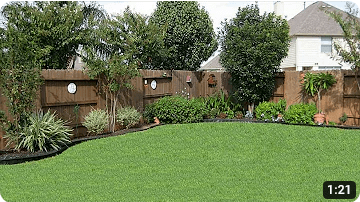
Improve fence-line landscaping with layered plants, mulch, containers, vines, grasses, and practical spacing that adds privacy, color, and easier maintenance.
Grow backyard grapes successfully by choosing a climate-adapted variety, planting in full sun, building the right trellis, watering young vines, and pruning every year.
Grow Asian vegetables such as mizuna, shungiku, and daikon by matching planting times to cool weather, giving them steady moisture, and harvesting at the right stage.
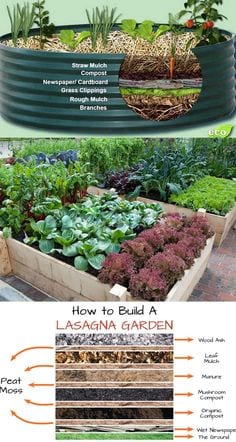
Make useful garden compost from leaves, grass, and kitchen scraps by balancing green and brown materials, keeping the pile moist and aerated, and avoiding problem ingredients.
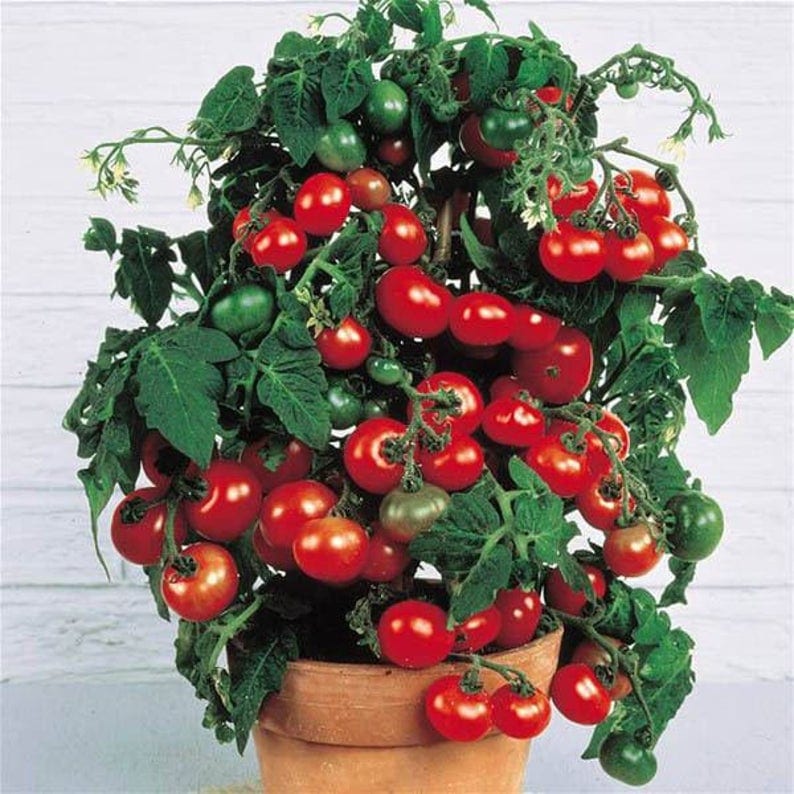
Grow healthy tomato plants with full sun, fertile well-drained soil, steady watering, proper support, climate-adapted varieties, and the right pruning approach for each growth type.
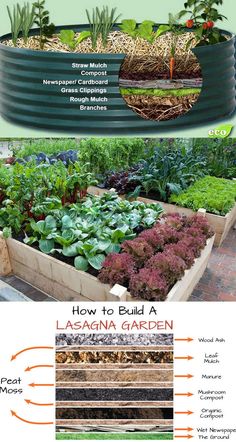
Extend the harvest with a fall vegetable garden by working backward from your first frost, choosing quick cool-season crops, refreshing beds, and protecting plants as temperatures drop.