
Annuals and perennials solve different garden problems. Annuals usually provide fast seasonal color, while perennials return for multiple years and can become part of the long-term structure of a planting.
The best choice depends on how quickly you want color, how often you want to replant, your climate, and how much permanent structure the garden needs.
What Is an Annual?
An annual completes its life cycle in one growing season. Marigolds, petunias, zinnias, impatiens, and many other bedding plants are grown this way in temperate gardens.
What Is a Perennial?
A perennial survives for more than one year when it is hardy in the local climate. Some die back to the ground in winter, while others keep evergreen or semi-evergreen foliage.
University of Minnesota Extension explains that annual plants live for one growing season while perennials regrow in following years. Its flower gardening guide also covers annual, perennial, native, and pollinator plants.
Why Gardeners Choose Annuals
Annuals are useful for quick impact, containers, seasonal displays, and filling spaces between slower-growing permanent plants. Many bloom for a long period when watered, fertilized, and deadheaded appropriately.
Why Gardeners Choose Perennials
Perennials reduce the need to replant the entire bed every year. They can provide recurring flowers, foliage, seed heads, and structure, but they still need to be matched to the site’s light, soil, drainage, and winter conditions.
For dependable long-term choices, our guide to low-maintenance perennials offers ideas for extending seasonal interest.
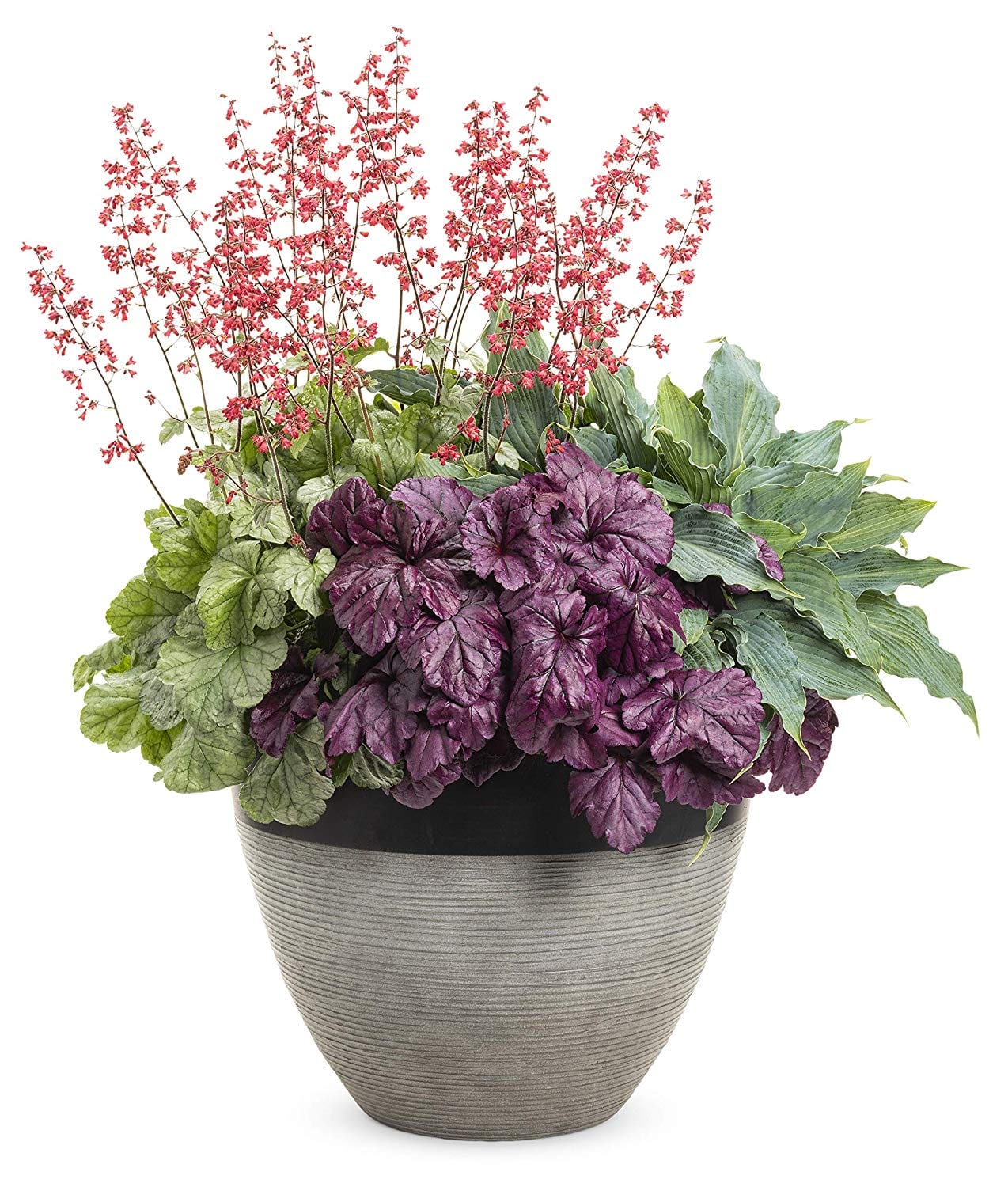
Mix Annuals and Perennials
Combining the two often produces the best result. Perennials create the framework, while annuals fill gaps, add color, and let you change the look from year to year. Our small garden design guide explains how repeating plants and limiting focal points can make mixed beds feel intentional rather than crowded.
Plan for Pollinators
Both annuals and perennials can support bees, butterflies, and other beneficial insects. A mix of bloom times is especially valuable because it provides nectar and pollen over a longer season. Our pollinator-friendly garden guide explains how to build a longer sequence of bloom.
Match the Plant to the Climate
A plant that behaves as a perennial in a warm region may be grown as an annual where winters are colder. Check the plant’s hardiness, heat tolerance, and mature size before deciding where it belongs.
Choose Based on the Job
Use annuals when you want immediate seasonal color and flexibility. Use perennials when you want plants to return and become part of the long-term garden. In most landscapes, the two work better together than either group does alone.