
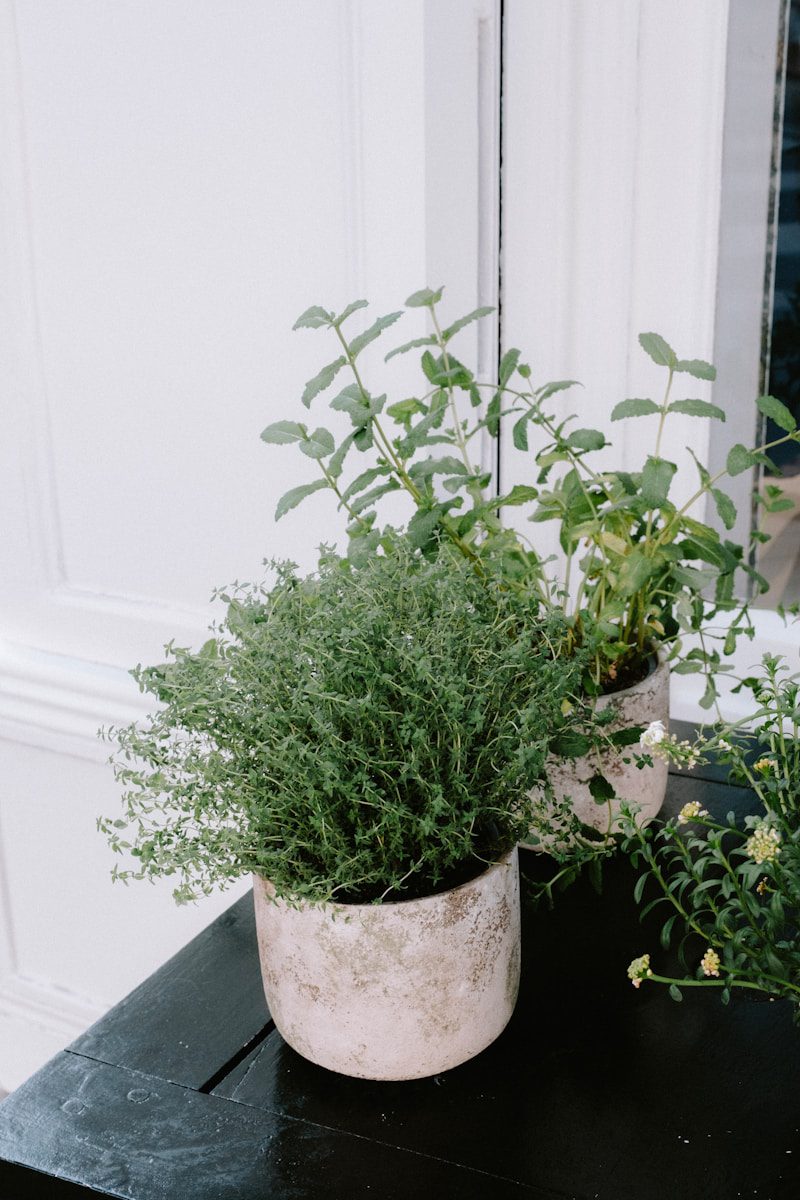
An indoor herb garden kit can make it easier to start growing fresh culinary herbs in a kitchen, apartment, or other small space. The most useful kits provide containers with drainage, a suitable growing medium, seeds or starter plants, and clear planting instructions.
The kit itself is only part of the equation. Strong light, careful watering, and enough room for roots matter just as much once the herbs begin growing.
Choose Herbs That Adapt Well Indoors
Basil, parsley, chives, oregano, thyme, and mint are common choices for indoor growing. University of Minnesota Extension recommends well-drained soil, regular watering, and at least six hours of direct sunlight for many culinary herbs; its herb-growing guide covers these basics in more detail.
For a compact kitchen crop, Sweet Italian basil is a useful option when you want a familiar culinary herb for pesto, pasta, and fresh tomato dishes.
Give the Kit Enough Light
A bright south- or west-facing window is often the best natural-light location. If herbs stretch, lean heavily, or become pale, add a grow light rather than trying to compensate with extra fertilizer.
Our indoor herb gardening guide explains lighting, containers, watering, and harvesting in more detail.
Use Containers With Drainage
Decorative pots are fine as long as excess water can escape. If a kit includes containers without drainage holes, use an inner nursery pot or another method that keeps roots from sitting in standing water.
Plant Seeds at the Correct Depth
Follow the seed packet rather than using one planting depth for every herb. Some seeds need only a light covering, while others can be planted a little deeper. Keep the medium evenly moist during germination without saturating it.
Water According to the Herb
Do not water every pot on the same schedule. Basil and parsley generally appreciate more consistent moisture than thyme and oregano, which prefer to dry somewhat between waterings.
Harvest Regularly
Snip stems often enough to encourage branching without stripping a small plant. Harvesting keeps many culinary herbs productive and prevents the kit from becoming overcrowded too quickly.
Expand Beyond the Kit
Once you learn which herbs perform well in your home, you can move into larger containers or seasonal outdoor beds. Our guide to growing an Italian herb garden offers ideas for combining basil, oregano, parsley, rosemary, and other kitchen herbs.
Keep the Setup Simple
The best indoor herb kit is one that gives plants enough light, drainage, root space, and consistent care. A simple setup with a few useful herbs is usually easier to maintain than a crowded collection with different watering needs.