
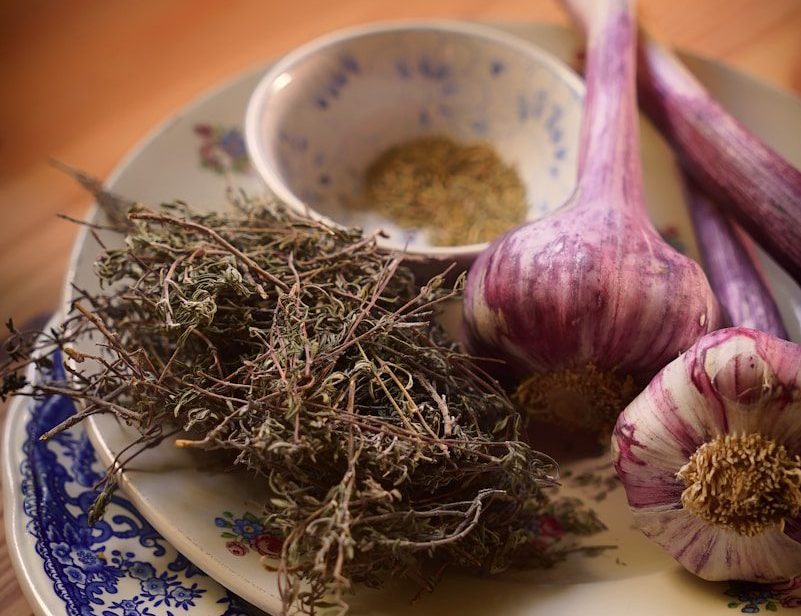
Garden herbs have a long history of home use, but traditional use is not the same as proven medical treatment. Some plants may offer mild comfort, while others can irritate skin, interact with medicines, or worsen certain conditions.
Use garden remedies conservatively, especially if you are pregnant, nursing, treating a child, managing a chronic condition, or taking prescription medicine.
For Itchy or Irritated Skin
Cool water, fragrance-free moisturizers, and colloidal oatmeal are commonly used for mild dry or itchy skin. Fresh plant material can cause contact dermatitis, so avoid applying unidentified leaves, essential oils, or strong homemade extracts directly to irritated skin.
Aloe Is Popular, but Patch-Test First
Clear aloe gel is widely used topically for minor skin discomfort, but some people react to it. Use only the clear inner gel and stop if redness or burning develops. For growing aloe and similar plants, our succulent care guide covers light, watering, and drainage.
For Indigestion
Ginger has been studied most often for nausea rather than general indigestion, and evidence for many other herbal remedies is limited. Avoid assuming that vinegar, bitters, peppermint, or herbal teas are appropriate for everyone, especially if reflux is part of the problem.
The National Center for Complementary and Integrative Health provides evidence-based safety information for herbs and supplements in its Herbs at a Glance resource.
For Sleep and Relaxation
Chamomile, lavender, lemon balm, valerian, and passionflower are often used for relaxation, but research quality and effects vary. Good sleep habits, a regular schedule, reduced evening light, and evaluation for persistent insomnia are more dependable foundations than relying on an herbal product alone.
Grow Culinary Herbs for Everyday Use
Many herbs are most useful as foods and beverages rather than treatments. Our Italian herb garden guide covers basil, oregano, parsley, rosemary, sage, and other culinary plants.
Grow Herbs Indoors When Needed
If you want fresh herbs close to the kitchen, our indoor herb guide explains containers, lighting, and watering without making medical claims.
Know When to Seek Medical Care
Seek prompt medical care for trouble breathing, facial or throat swelling, chest pain, black or bloody stools, severe or spreading rash, persistent vomiting, severe abdominal pain, unexplained weight loss, or ongoing insomnia. Home remedies should never delay evaluation of serious or persistent symptoms.