
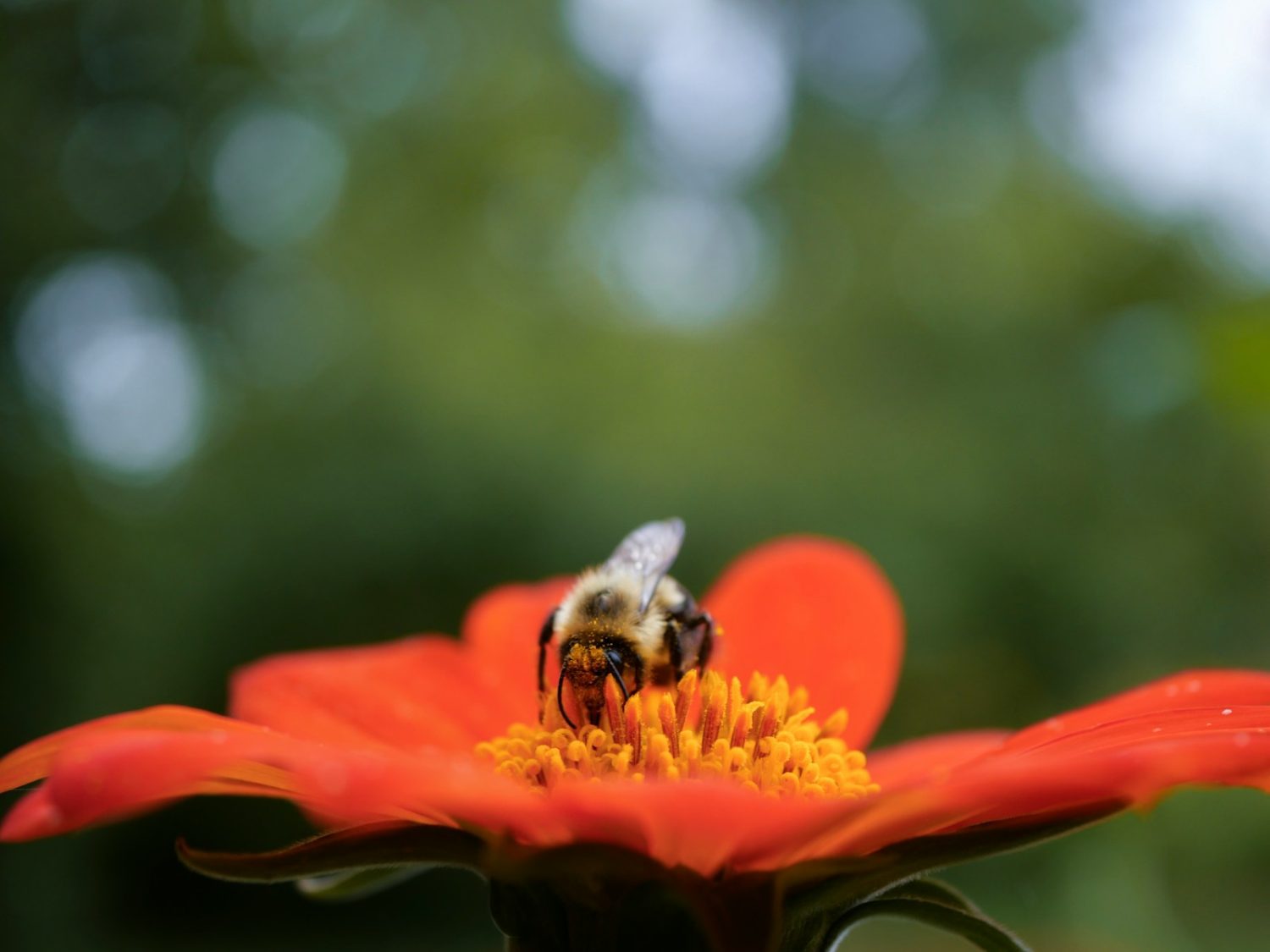
A pollinator-friendly garden provides nectar, pollen, host plants, water, and shelter for bees, butterflies, hummingbirds, and other beneficial wildlife. Even a small planting can add useful habitat when it includes the right plants and a long season of bloom.
The best pollinator gardens are not built around a single flower. They combine several species that bloom at different times and are matched to the garden’s light, soil, and moisture.
Start With Regional Native Plants
Native plants often have especially strong relationships with local pollinators. The National Park Service explains that native plants and pollinators evolved together and provides pollinator planting guidance for home gardens.
For more help choosing regionally appropriate species, see our guide to growing native plants.
Plant for a Long Bloom Season
Choose early, midseason, and late bloomers so food is available from spring through fall. Repeating several plants of the same species in a group can make flowers easier for pollinators to locate.
Use Different Flower Shapes
Open daisy-like flowers, tubular blooms, dense flower clusters, and other forms serve different visitors. Salvia is especially useful for hummingbirds and bees; pineapple sage can add bright tubular flowers to a warm-season pollinator planting.
Include Host Plants
Adult butterflies need nectar, but their caterpillars need specific host plants. Monarch caterpillars depend on milkweed, while other butterfly species use parsley-family plants, passionflower, native grasses, trees, and shrubs.
Provide Water and Shelter
Shallow water sources, patches of bare soil, hollow stems, leaf litter, and small pieces of woody material can provide drinking, nesting, or overwintering sites. Keep these features away from heavily traveled areas where they may be disturbed.
Use Pesticides Carefully
Use nonchemical pest management when practical and avoid unnecessary insecticide applications. If treatment is needed, identify the pest first, follow the label, and avoid spraying open flowers when pollinators are actively visiting.
Mix Pollinator Plants With Perennials
Long-lived flowering plants can form the backbone of the garden. Our guide to low-maintenance perennials can help you choose plants that provide flowers, foliage, seed heads, and seasonal structure.
Start Small and Expand
You do not need a large meadow to help pollinators. A sunny bed, several containers, or a small strip along a fence can provide useful habitat when it offers dependable flowers and avoids unnecessary disturbance. Add more species over time as you learn which plants perform best in your site.