
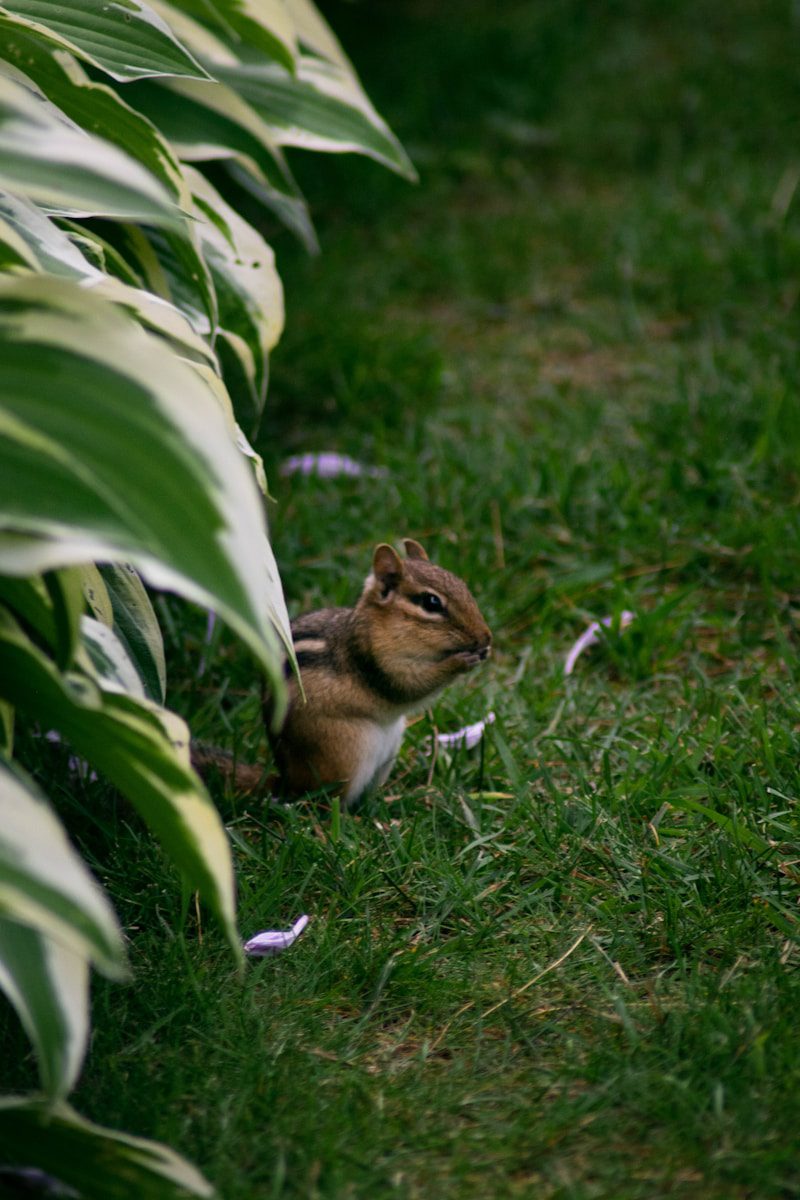
Chipmunks can dig up seeds and bulbs, disturb newly planted beds, eat seedlings, and collect fallen fruit or birdseed. When damage becomes noticeable, exclusion and habitat changes are usually more dependable than relying on noise or scent gimmicks.
The goal is to protect valuable plants and reduce easy food and shelter near the garden without trying to remove every chipmunk from the property.
Protect Seeds and Bulbs With Fine Mesh
Penn State Extension recommends quarter-inch hardware cloth for excluding chipmunks from flower beds and protecting seeds and bulbs. Its chipmunk control guide also emphasizes habitat modification and exclusion before more intensive control methods.
Lay hardware cloth over newly planted areas and secure the edges so animals cannot simply push underneath. For raised beds, mesh panels or removable covers can be easier to install and maintain.
If you are building new beds, our guide to building a cheap raised garden bed can help you plan a structure that is easy to screen.
Reduce Food Around the Garden
Pick ripe produce promptly and clean up fallen fruit, nuts, and spilled birdseed. Store pet food and seed in sealed containers, and use bird-feeder trays or baffles to reduce seed on the ground.
Remove Easy Cover Near Structures
Wood piles, dense groundcover, brush, and debris can provide protected travel routes and hiding places. Keep heavily used garden and building edges more open where practical, especially if burrows are appearing near patios or foundations.
Be Skeptical of Ultrasonic Devices
Results from ultrasonic devices, reflective objects, and scent deterrents are inconsistent. If you use a labeled repellent, follow the directions carefully and do not apply products to edible plants unless the label specifically allows it.
Design Barriers for More Than One Animal
Chipmunks often share a landscape with squirrels and groundhogs. Our guides to keeping squirrels out of the garden and keeping groundhogs out can help you build a broader wildlife-control strategy instead of solving each problem separately.
Use Exclusion Where Damage Matters Most
Fine mesh over seeds, bulbs, and seedlings is usually the most direct way to stop chipmunk damage. Combine that with cleaner garden edges and fewer food sources, and the beds become much less attractive without disrupting the rest of the landscape.