
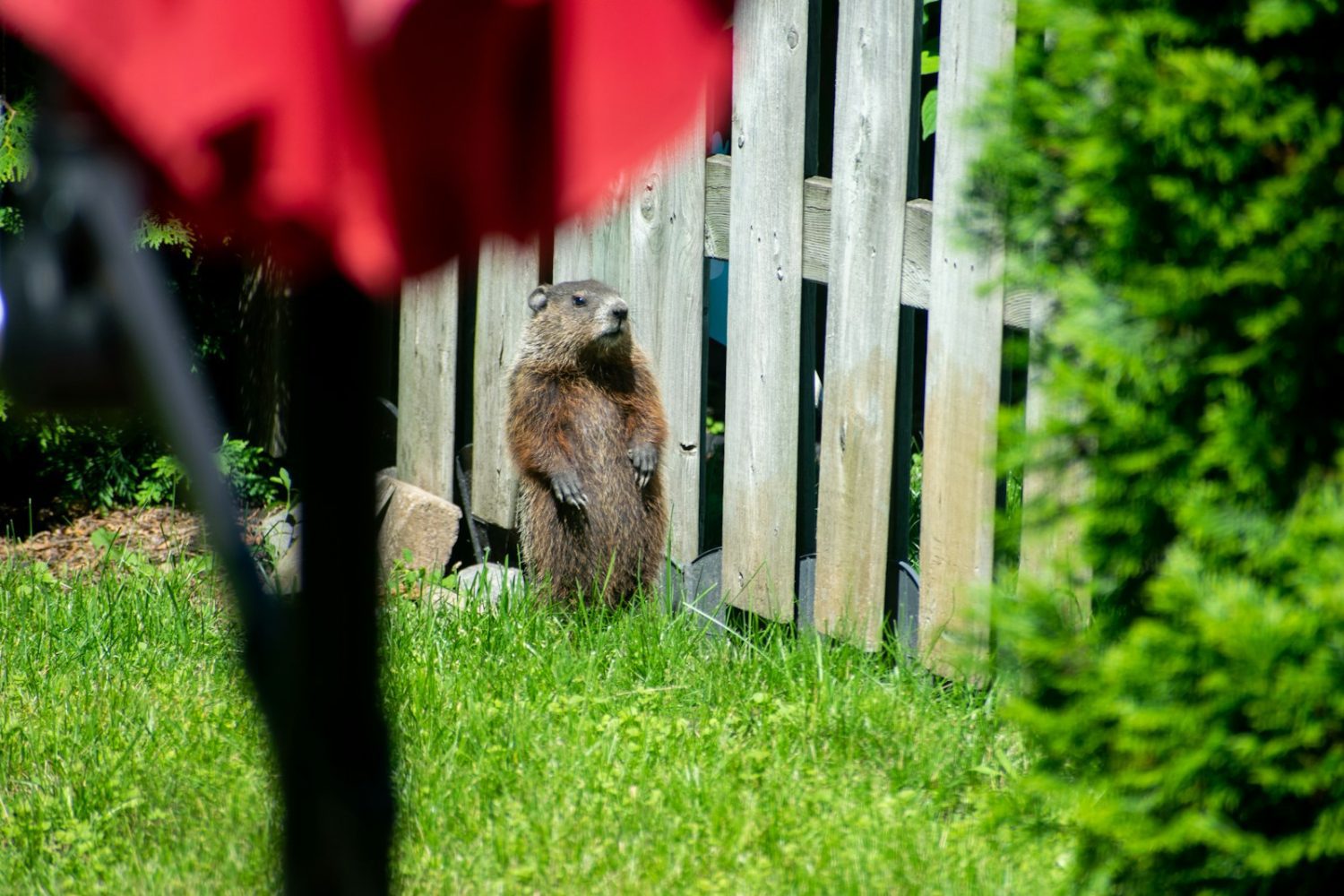
Groundhogs, also called woodchucks, can eat vegetables, flowers, and tender growth while also digging extensive burrows. Because they can both climb and dig, a garden fence has to address both behaviors.
The most reliable approach is exclusion. Repellents and scare devices may help temporarily, but a properly built fence gives valuable crops much stronger protection.
Build a Fence That Stops Digging
University of Maryland Extension recommends a strong fence about four feet high with the lower portion buried about 12 inches. Its groundhog control guidance also notes that an electric wire near the base can help discourage climbing and digging.
Heavy wire mesh is more dependable than flimsy temporary fencing. Bending the buried portion outward creates an additional barrier when a groundhog begins digging at the fence line.
Protect the Crops They Want Most
Groundhogs readily feed on garden vegetables, including tomatoes. If you are growing crops such as San Marzano tomato, place them inside the most secure section rather than relying on scent deterrents around the bed.
Use Raised Beds With Added Barriers
Raised beds alone will not stop a determined groundhog, but they make it easier to attach wire panels, hoops, or removable covers. Our guide to building a cheap raised garden bed can help if you are starting a protected growing area from scratch.
Remove Easy Hiding Places
Keep tall weeds, brush piles, and unused debris away from the garden edge where practical. Groundhogs prefer cover near feeding areas, so a more open perimeter makes the garden less comfortable to approach.
Use Repellents as a Secondary Tool
Some repellents and motion-activated devices may discourage visits for a time, but their effectiveness can vary and may decline as animals become accustomed to them. Always follow product labels, especially around edible crops.
Plan for More Than One Wildlife Problem
A good wildlife fence can often reduce damage from several animals at once. If deer are also a problem, our guide to keeping deer out of the garden explains how taller fencing changes the design.
Use Exclusion Before Damage Becomes Severe
Groundhogs quickly learn where dependable food is available. Installing a strong barrier before plants are repeatedly damaged is usually easier than trying to change an established feeding pattern later.