
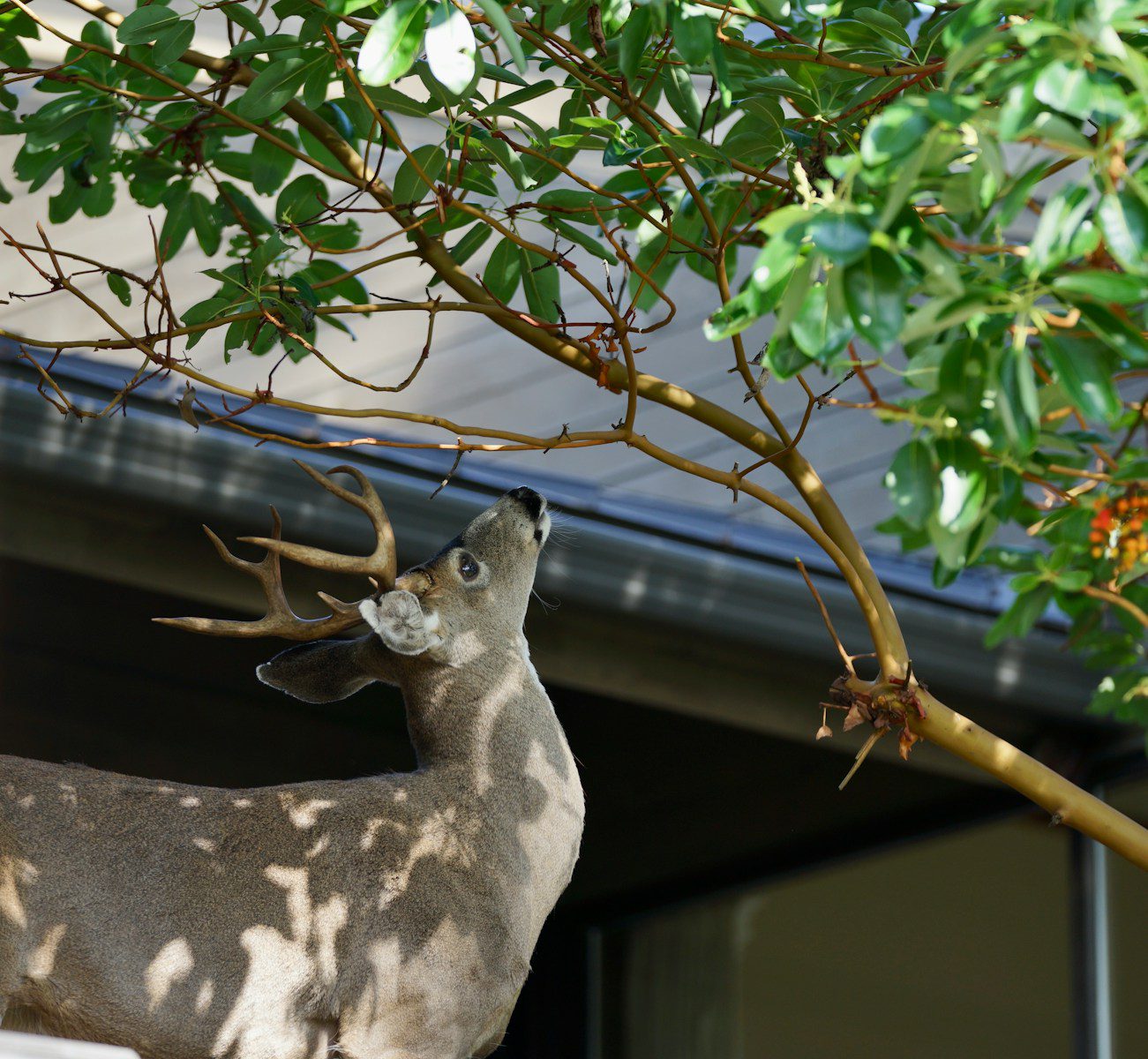
Deer can remove flower buds, vegetables, tender shoots, and young woody growth in a single night. The most reliable way to reduce damage is to combine physical barriers with smart plant placement and repellents where appropriate.
No plant is completely deer-proof, especially when food is scarce. The goal is to make the garden harder to enter and less rewarding to browse.
Use Fencing for the Strongest Protection
For gardens with heavy deer pressure, fencing is usually the most dependable solution. University of Georgia Extension recommends considering deer fencing about 6 to 8 feet high and anchoring it to the ground; its garden fencing guide covers mesh, solid, and electric options.
Smaller beds can sometimes be protected with temporary mesh or individual cages. Whatever system you use, close gaps at ground level and keep gates secured.
Choose Plants Deer Tend to Avoid
Plants with strong aromas, coarse or fuzzy foliage, bitter compounds, or prickly texture are often browsed less heavily than tender vegetables and lush new growth. Aromatic herbs can be useful around beds, although they should not be treated as a substitute for fencing.
For example, Tricolor sage has strongly scented foliage and can be worked into sunny herb beds and mixed borders.
Use Repellents Carefully
Commercial deer repellents can provide temporary protection, particularly before browsing becomes established. Reapply as directed after rain and always check the label before using a product on edible crops. Repellents usually work better as part of a larger strategy than as the only defense.
Protect the Most Valuable Plants First
Place young trees, vegetables, and favorite flowering plants inside the most secure area. Keep heavily browsed plants closer to the house or other active areas when possible. Deer often prefer quiet edges where they can enter and leave quickly.
Plan Wildlife-Friendly Areas Separately
You can still create habitat for birds and pollinators while protecting high-value garden beds. Our guide to growing native plants can help you choose species for less vulnerable parts of the landscape.
Use Similar Barriers for Other Garden Animals
If several wildlife species are causing damage, design barriers with all of them in mind. The strategies in our guide on keeping groundhogs out of the garden can help with lower fence protection and access points that deer fencing alone may not address.
Combine Methods for Better Results
Deer pressure changes with season, weather, and food availability. A tall fence provides the strongest long-term protection, while plant selection, repellents, and garden placement can reduce pressure around the edges. Using several methods together gives valuable plants a much better chance of reaching maturity.