
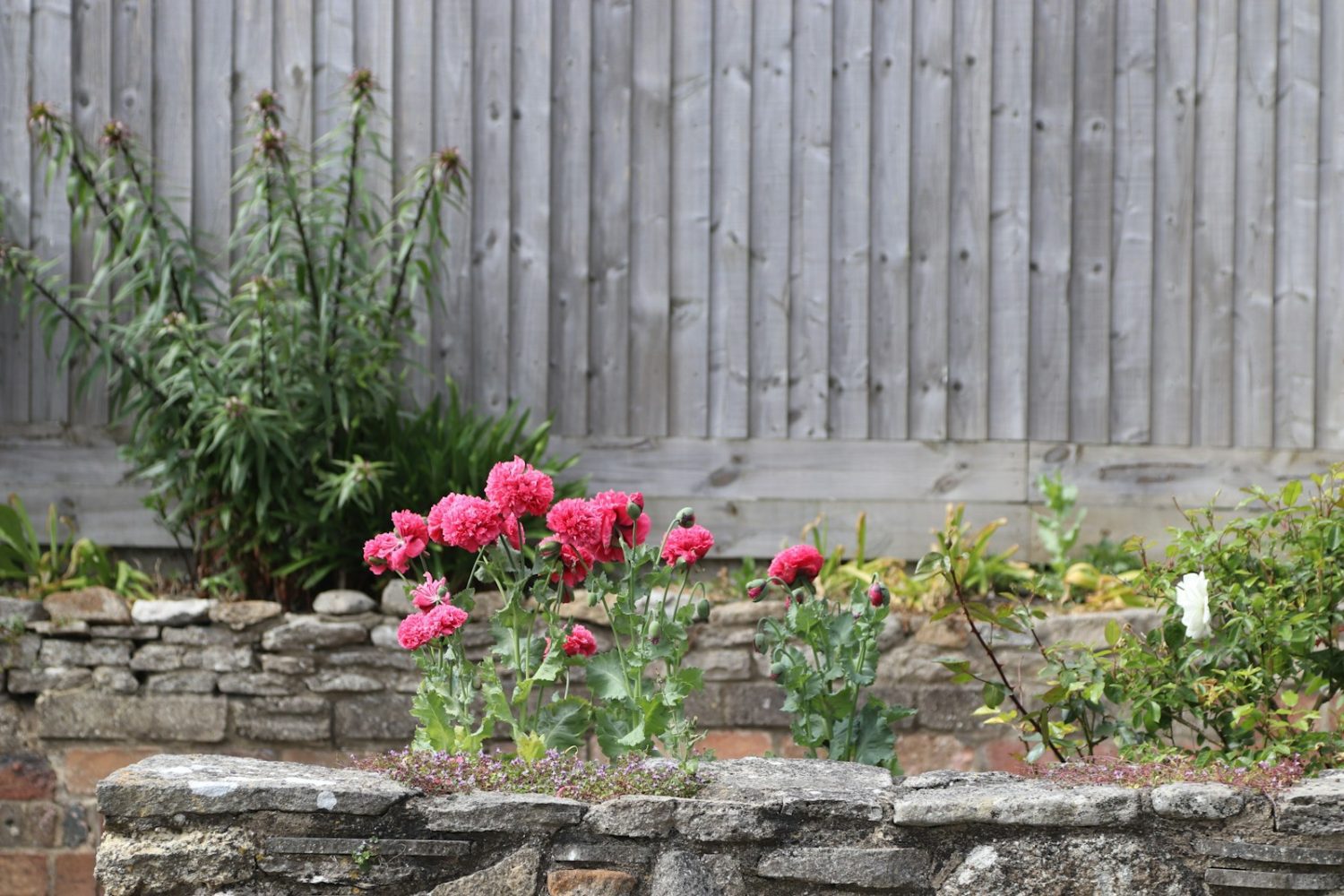
Raised garden beds are an excellent way to grow vegetables, herbs, and flowers with better drainage, easier access, and more control over soil quality. The most important part is filling the bed with a mix that holds moisture while still letting roots breathe.
A good raised-bed mix does not need to be complicated. For most beds, the best approach is a blend of quality topsoil and plant-based compost, with coarse organic material used only when you need to reduce the amount of soil required in a very deep bed.
Start With the Bed Itself
Before adding soil, make sure the bed is in a location with the right amount of sunlight and access to water. If you are still planning the structure, this guide to building a raised garden bed on a budget can help you choose practical materials and dimensions.
For beds placed directly over soil, there is usually no need for a layer of rocks or gravel. Those materials take up valuable root space and do not improve drainage the way a well-structured soil mix does. If burrowing animals are a concern, hardware cloth at the bottom can help without blocking drainage.
Use a Balanced Soil and Compost Mix
For a standard raised bed, start with roughly one-half to two-thirds good topsoil and one-third to one-half plant-based compost. The goal is a loose, crumbly mix that drains well but does not dry out immediately. The University of Minnesota Extension raised-bed guidance recommends this same basic balance and cautions against filling beds with excessive compost or manure.
If the topsoil is heavy clay, blend in more compost and, where appropriate, a modest amount of coarse mineral material to improve texture. Avoid filling the bed with pure compost. Too much compost can dry unevenly and may create excessive nutrient levels over time.
Use Manure Sparingly
Well-composted manure can be useful, but it should not make up a large portion of the bed. Manure can contain high levels of phosphorus and salts, so a soil test is the best guide when deciding how much to use.
Filling a Very Deep Raised Bed
If your bed is more than about two feet deep, filling the entire space with purchased soil can become expensive. In that case, coarse untreated branches, small logs, shredded leaves, or other clean plant material can be placed in the lower portion of the bed. Keep the upper 10 to 12 inches filled with a high-quality soil and compost mix so roots have dependable growing media.
These lower organic layers will break down and settle over time, so expect to top off the bed with fresh soil or compost in future seasons. Gardeners interested in building healthy soil over time may also find these organic gardening tips for beginners useful.
Mix and Settle the Soil
Add the topsoil and compost in several passes, blending them together as you fill. A garden fork or shovel works well. Avoid creating sharply separated layers in the main root zone because roots perform better in a consistent soil mix.
Fill the bed to within an inch or two of the top edge. Water it thoroughly, allow it to settle, and add more mix if the level drops. Raised-bed soil naturally settles during the first season.
Check Drainage Before Planting
Water should soak into the soil rather than puddle on the surface for long periods. If the bed stays soggy, improve the mix with additional well-structured topsoil and organic matter instead of adding a gravel layer underneath.
Raised beds usually dry faster than in-ground gardens, especially during hot weather. A two- to three-inch layer of mulch can help conserve moisture, reduce weeds, and keep soil temperatures steadier.
Choose Crops That Fit the Space
Once the soil has settled, you can plant vegetables, herbs, flowers, or a mix of all three. If your growing area is limited, many of the same crops that perform well in raised beds also work in container gardens on patios and balconies.
Maintain the Bed From Year to Year
At the end of each season, check the soil level and add compost only as needed. A soil test every few years will help you avoid over-applying nutrients. Try not to walk in the bed, since keeping the soil loose is one of the main advantages of raised-bed gardening.
With a balanced soil mix, good drainage, and regular maintenance, a raised garden bed can stay productive for many seasons without needing to be emptied and rebuilt each year.