
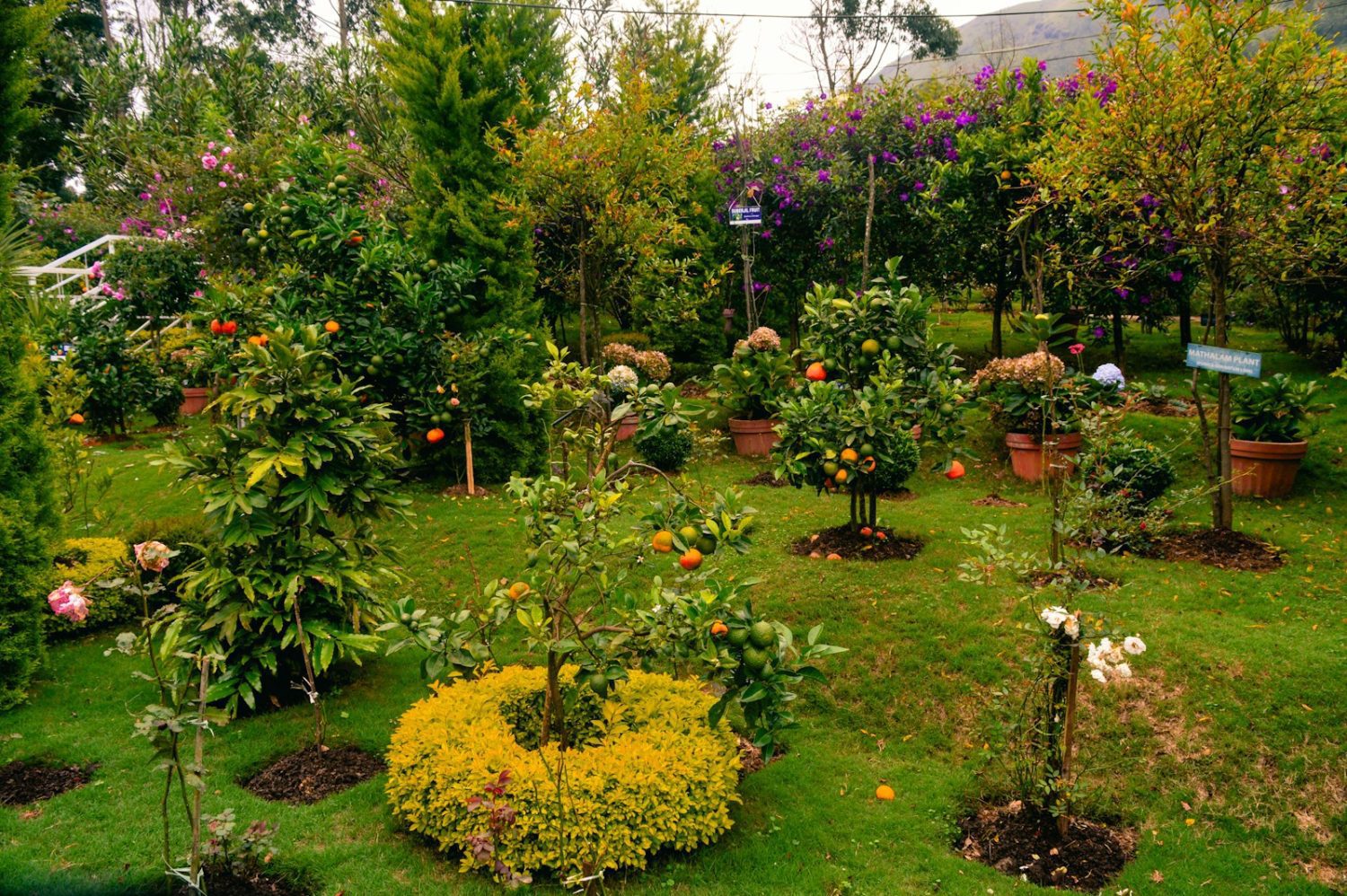
Drawing a garden can be an enjoyable and creative activity, whether you’re sketching out a peaceful backyard or designing a dream garden full of vibrant plants. Whether you’re a beginner or an experienced artist, the process of drawing a garden involves a few key elements that anyone can follow. In this guide, we’ll walk you through the simple steps of drawing a beautiful garden. You don’t need to be an expert; all you need is a pencil, paper, and a bit of imagination.
1. Start with the Basic Layout: Sketch the Ground and Horizon
The first step to drawing any garden is to establish your layout. Start by drawing the horizon line. This line represents where the earth meets the sky and will help you determine where the ground ends and the background begins. If you’re drawing a larger garden, this line might be higher up in your drawing, leaving room for trees or larger plants.
Sketching the Ground
Next, sketch out the ground. This can be as simple as a curved line to represent the garden’s surface. If you want to include a path, patio, or grass areas, now’s the time to map them out. Think about where your plants, trees, or decorative elements will sit in your garden.
Adding Background Elements
To create depth in your drawing, consider including background elements like a fence, trees, or a garden wall. These will help frame your garden and give it a sense of perspective. You don’t need to make these details too intricate, but they should help set the scene.
2. Outline the Main Plants and Features
Now that you have the basic layout in place, it’s time to focus on the garden’s main features. A garden usually includes a variety of plants, flowers, trees, and sometimes decorative elements like statues or benches. Here’s how to approach each:
Trees and Shrubs
Start by sketching your trees and large shrubs. These can be simple shapes at first—circular or oval outlines for the canopy. Trees can have a range of sizes, so think about the variety in your garden. Make sure to vary the shapes and sizes of your trees for a more natural look.
Flowers and Plants
For flowers and smaller plants, focus on their general shapes. Use basic shapes to represent the flowers, such as circles or ovals for flower heads and simple lines or blobs for leaves. You can create a row of flowers by repeating these shapes along the garden bed.
If you’re including a flower bed or vegetable patch, consider drawing rows of plants that line the garden beds. Don’t be afraid to mix up the types of plants—tall sunflowers, bushy begonias, or even creeping vines.
Adding Garden Features
Consider adding other garden elements like a wooden bench, a birdbath, or a pathway. These elements help make your garden feel more lived-in and welcoming. Sketch them lightly at first to make adjustments as you add more details to the scene.
3. Add Detail and Texture for Realism
At this point, your garden layout will begin to take shape. To make it look more realistic, you’ll want to add texture and details that reflect the different surfaces and materials in the garden.
Adding Texture to the Ground
To create texture on the ground, you can use short, quick pencil strokes to suggest grass. Draw these lines in different directions to give your garden a more natural feel. If you have a path in your garden, use diagonal lines to indicate cobblestones or bricks. You can also add a subtle shading effect to the ground to give it depth and dimension.
Detailing the Plants and Flowers
For plants and flowers, add more detailed lines to the leaves and petals to bring them to life. Draw the veins of the leaves, the petals’ curves, and the individual stems. You don’t need to make every flower perfect—some won’t be fully open, and others can be drawn from a side view. This variety makes your drawing feel more natural.
Shading and Lighting
One of the key elements that will bring your garden drawing to life is shading. Lightly shade the areas where shadows would naturally fall, such as beneath trees, around bushes, and on the far side of plants. Shading helps your drawing look three-dimensional. Imagine where the light would come from, whether from the sun above or from the side, and darken the areas that would naturally be in shadow.
Don’t forget the sky, either! Adding some cloud shapes or even a sun in the top corner can make your garden feel open and airy.
4. Final Touches: Bring Your Garden to Life
Now it’s time to finalize your drawing. Erase any unnecessary sketch lines or smudges to keep the drawing clean. Refine your details—add more texture to leaves, deepen shadows, and make sure the plants look well-proportioned.
Color Your Garden
If you want to add color, colored pencils, watercolor paints, or markers can give your garden that extra pop. Choose a mix of greens for the leaves, bright colors for flowers, and earthy tones for the path and ground. Use light colors for areas that would catch the most light and darker colors for shaded areas.
The great thing about coloring your garden is that you can experiment with different plants and flowers, choosing any color palette you like. A vibrant garden full of colorful blooms or a soft, serene one with pastel flowers can both look beautiful on paper.
Adding Personal Elements
Finally, remember that your garden is unique to you. Add any personal touches that will make your garden feel special—perhaps a small fountain, a cute animal, or even a garden tool left beside the path. These details will add charm and personality to your drawing.
Creating Your Garden Drawing: The Joy of Imagination
In other words, drawing a garden is not just about replicating reality, but about creating your ideal outdoor space. By breaking down the process into manageable steps—sketching the layout, outlining the plants, adding textures, and finally refining your details—you can create a beautiful garden on paper. Whether you’re a beginner or an experienced artist, the process is about enjoying your creativity and experimenting with your ideas.
Your garden drawing can be as simple or as intricate as you want it to be. With a little practice, you’ll be able to capture the essence of a peaceful garden that you can step into with your imagination anytime. Happy drawing!