Organic Gardening for Beginners: A Practical Guide
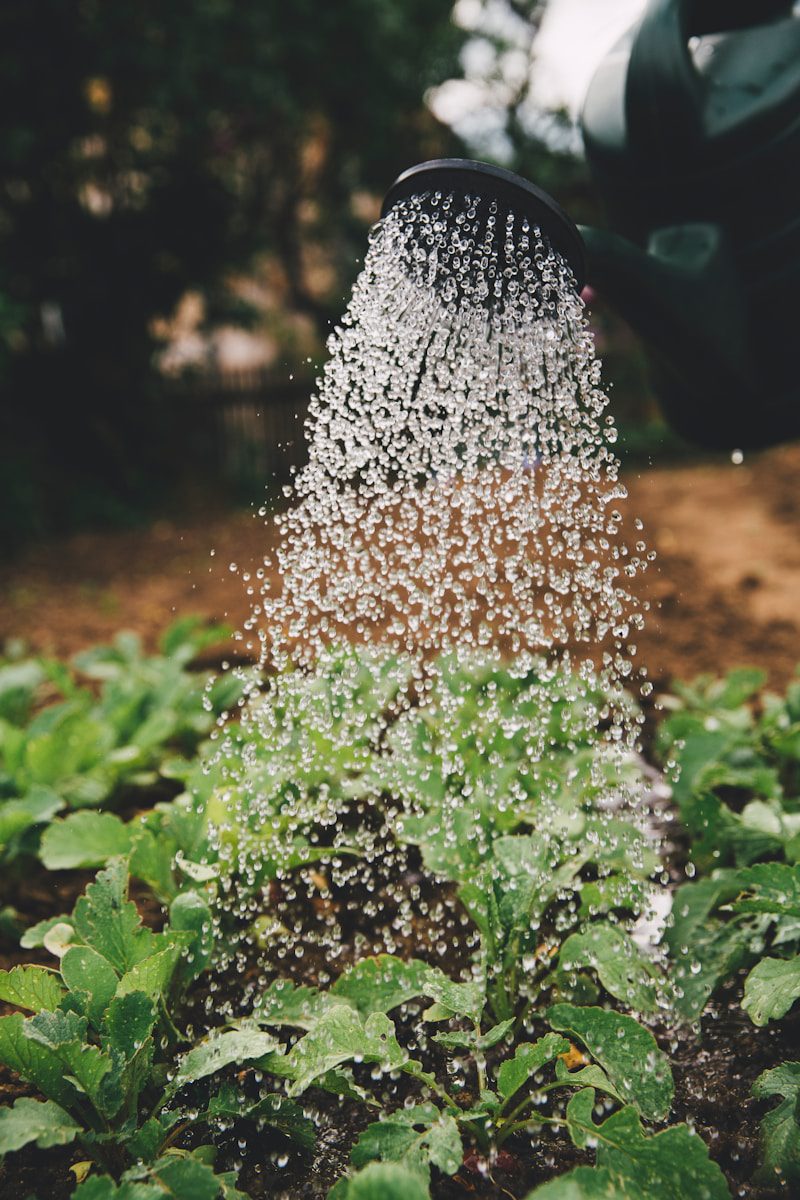
Start an organic garden with healthy soil, compost, crop diversity, careful watering, and integrated pest management instead of relying on routine synthetic inputs.

Start an organic garden with healthy soil, compost, crop diversity, careful watering, and integrated pest management instead of relying on routine synthetic inputs.
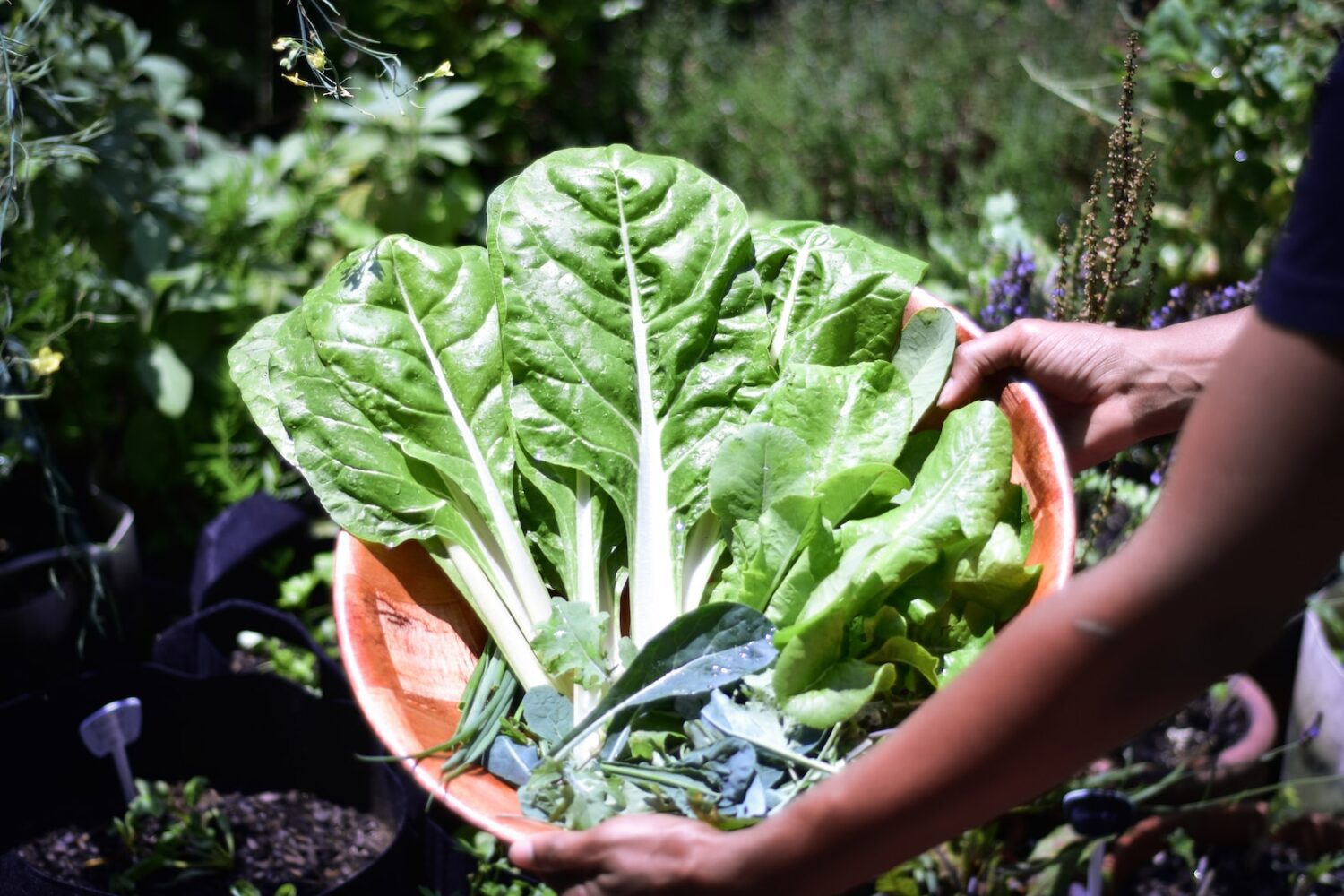
Improve your home garden with better site selection, healthier soil, region-appropriate plants, smart watering, early support, and careful problem diagnosis.
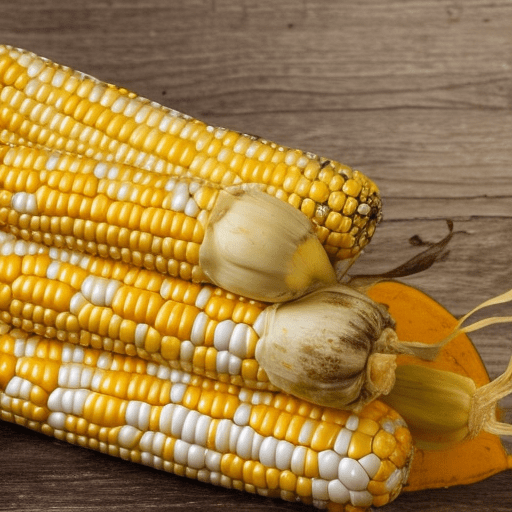
Learn how the traditional Three Sisters garden combines corn, pole beans, and squash, why planting order matters, and how to adapt the system to a modern home garden.
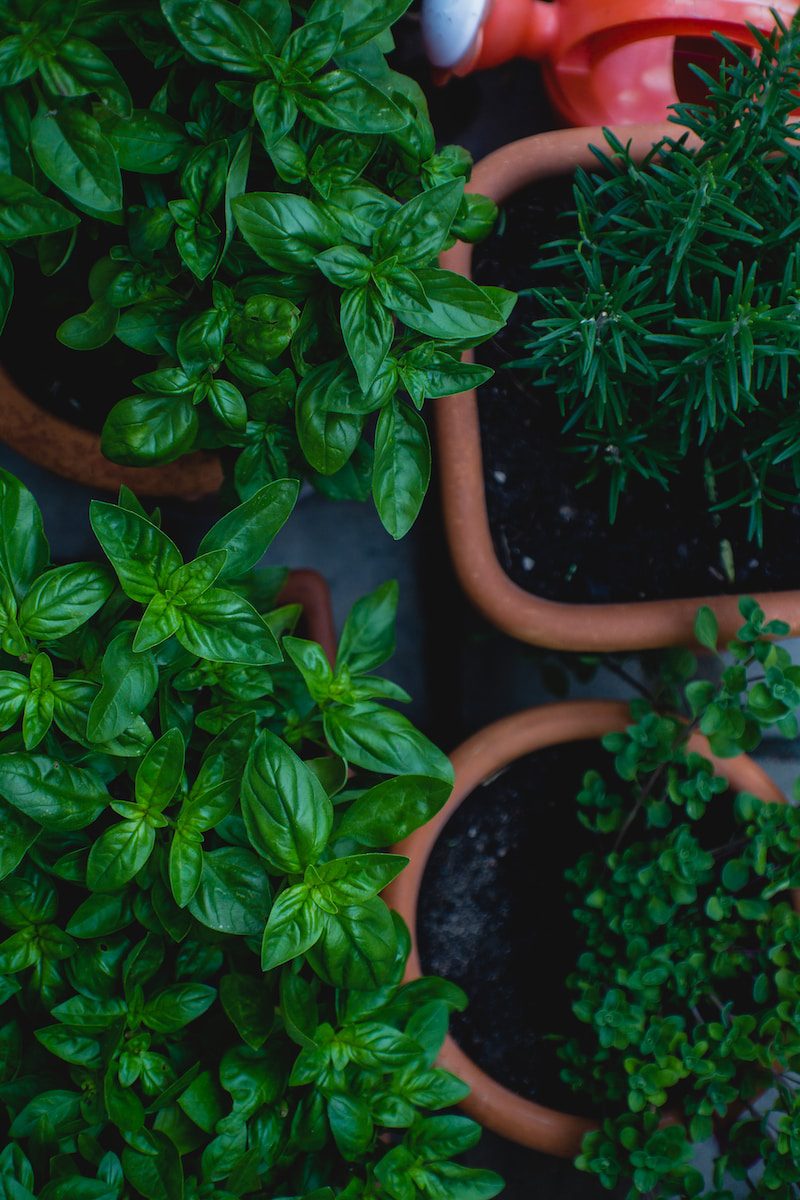
Grow basil, oregano, parsley, rosemary, sage, thyme, and other Italian herbs by grouping plants with similar light and water needs and harvesting them regularly.
Choose outdoor planter boxes by matching size, drainage, material, weight, and watering needs to your plants, then use them to frame patios, entries, balconies, and garden spaces.
Choose shrubs for winter flowers and fragrance, spring bloom, summer color, and fall foliage while matching mature size, hardiness, soil, light, and pruning needs to your garden.
Keep a flower garden healthy with the right light, deep watering, soil testing, mulch, deadheading, sanitation, balanced fertility, and protection for pollinators and beneficial insects.
Refresh your garden with thoughtful decor, containers, lighting, seating, vertical accents, and focal points that complement plants instead of overwhelming the landscape.
Choose outdoor planters by matching container size, drainage, material, weight, watering needs, and placement to the plants and the way you use your garden.
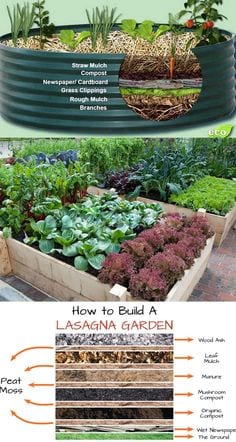
Make useful garden compost from leaves, grass, and kitchen scraps by balancing green and brown materials, keeping the pile moist and aerated, and avoiding problem ingredients.