
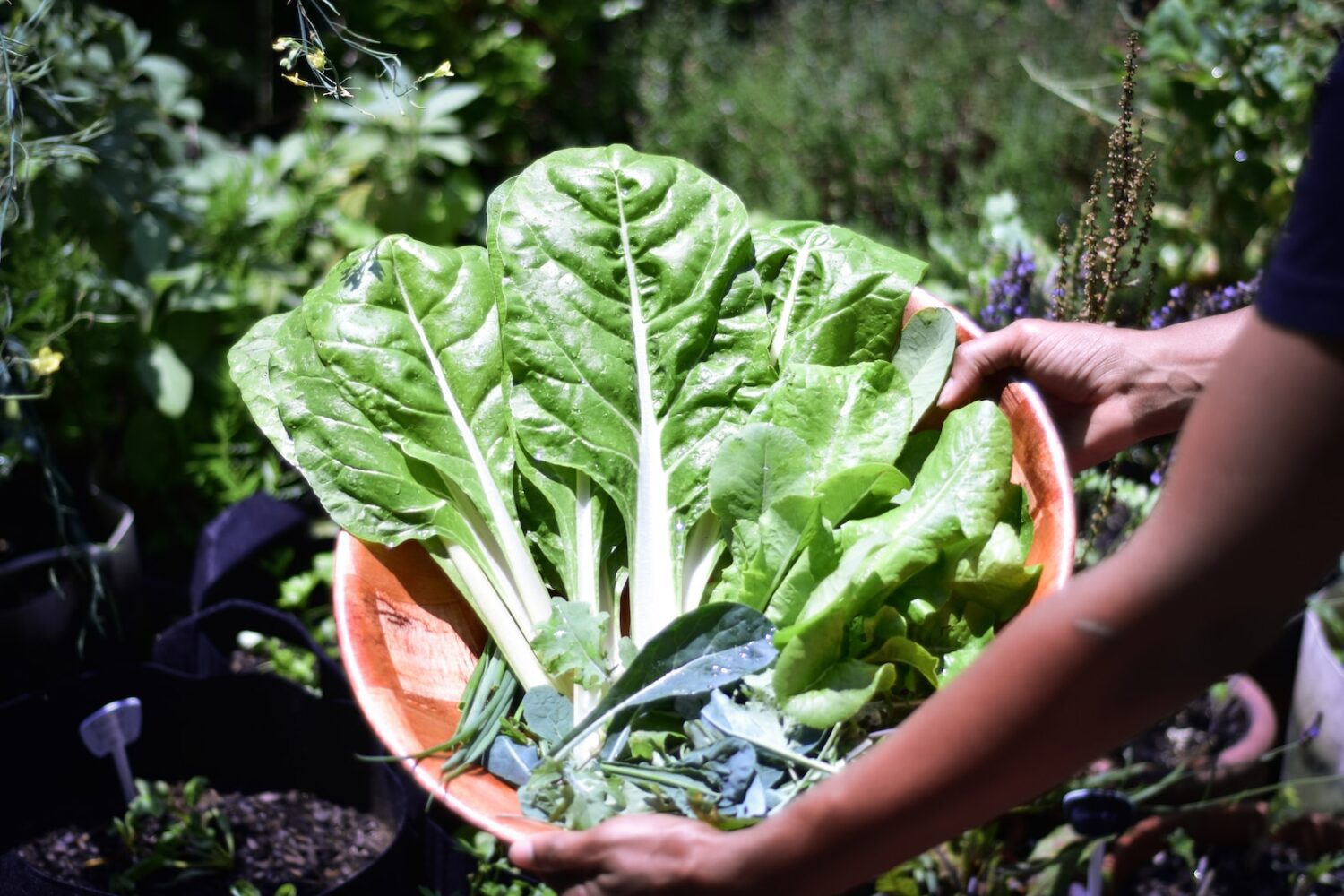
A productive home garden begins with a good site, healthy soil, crops suited to the climate, and a watering plan that matches the weather. These basics matter more than complicated products or rigid schedules.
Whether you grow vegetables, herbs, flowers, or a mix, start small enough that you can observe the garden closely and correct problems before they spread.
Choose the Best Site You Have
Most vegetables need at least six hours of direct sun, easy access to water, and soil that does not stay waterlogged. The USDA’s People’s Garden gardening resources provide practical guidance for planning and maintaining home gardens.
Build Healthy Soil
Add finished compost when soil structure or organic matter needs improvement, but avoid assuming that more compost or fertilizer is always better. Soil testing can help you make nutrient decisions based on what is actually present.
For a lower-input approach, our organic gardening guide explains how soil health, mulch, crop diversity, and pest prevention work together.
Use Raised Beds Where They Solve a Problem
Raised beds can improve access and help where native soil drains poorly or is difficult to work. They are not required for every garden. If you use them, fill the root zone with a balanced soil mix rather than excessive compost.
Choose Plants for Your Region
Planting dates, heat tolerance, winter hardiness, and disease pressure vary across the country. Choose varieties for your climate rather than following a single national calendar. Native ornamentals can also reduce maintenance when matched to the right site; see our guide to growing native plants.
Support Plants Before They Need It
Install cages, trellises, or stakes early so roots are not disturbed later. Simple bamboo plant support stakes can help guide young stems and lightweight climbing plants while they are still easy to handle.
Water the Root Zone
Water deeply enough to moisten the active root zone, then allow the soil to lose some moisture before watering again. Morning irrigation and drip systems can reduce leaf wetness and evaporation compared with frequent shallow overhead watering.
Observe Before You Treat
Check plants regularly for insects, disease symptoms, nutrient problems, and moisture stress. Correct identification is the first step toward choosing the least disruptive solution that actually addresses the cause.