
A sore throat is often caused by a viral infection, but allergies, dry air, smoke, reflux, voice strain, and bacterial infections can also irritate the throat. Home care can make a mild sore throat more comfortable, but it cannot diagnose or treat every cause.
The safest approach is simple: stay hydrated, rest your voice, keep the air comfortable, and use soothing foods or drinks that agree with you. Garden herbs can add flavor and comfort, but they should not be treated as substitutes for medical care.
Start With Warm Fluids and Rest
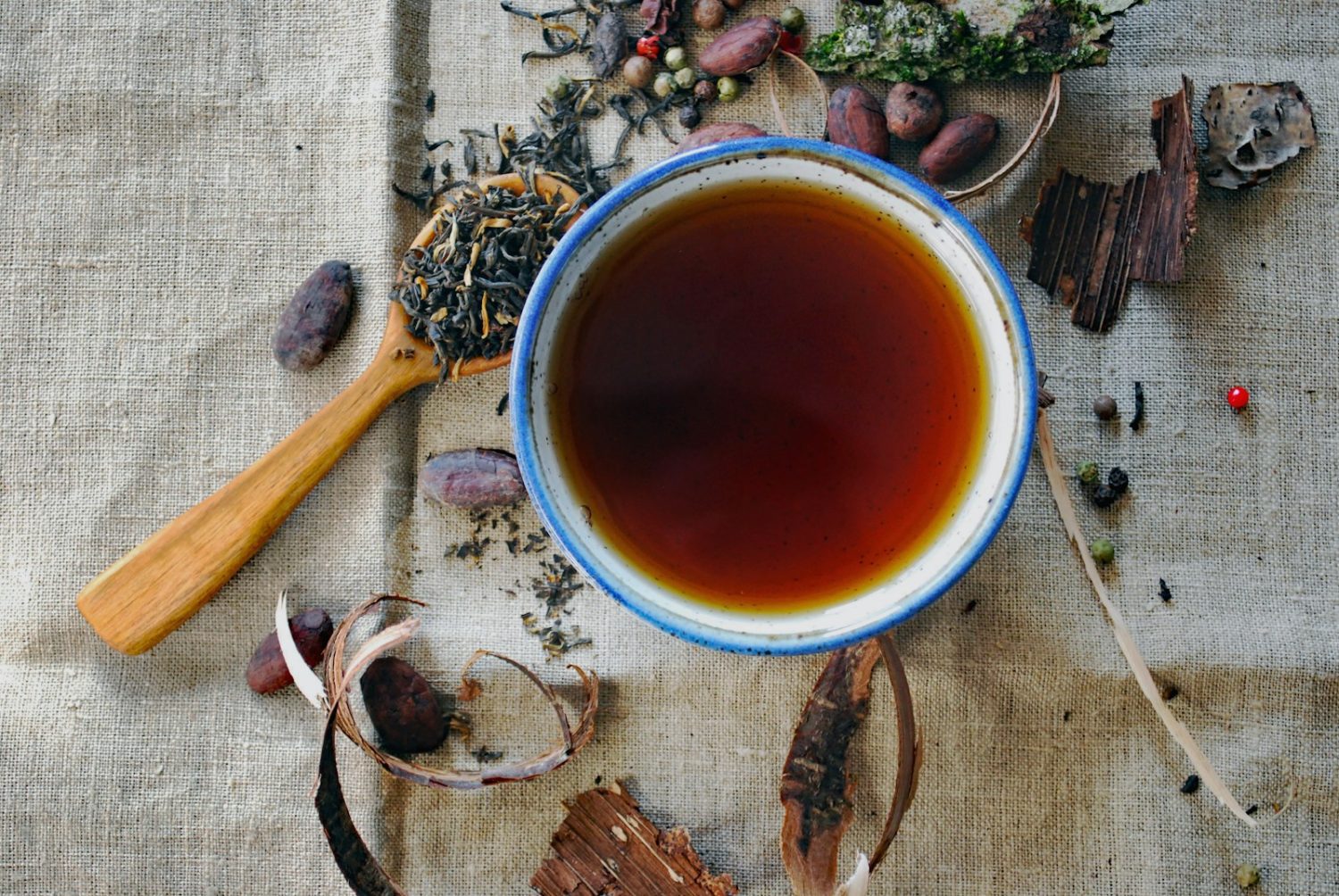
Warm water, broth, or caffeine-free tea can keep the throat moist and make swallowing more comfortable. Resting your voice and avoiding tobacco smoke or harsh fumes can also reduce irritation.
Mayo Clinic recommends fluids, warm drinks, saltwater gargles, humidified air, and other simple comfort measures for sore throats. Its sore throat self-care guidance also notes that honey should not be given to children younger than 1 year.
Try Honey in a Warm Drink
For adults and children over age 1, a small amount of honey in warm water or tea can coat the throat and may also ease coughing. Honey is not safe for infants younger than 12 months because of the risk of infant botulism.
If you enjoy growing culinary herbs for warm drinks and cooking, our Italian herb garden guide covers thyme, sage, rosemary, oregano, basil, and other useful plants.
Use a Saltwater Gargle
Adults and older children who can gargle safely can mix about 1/4 to 1/2 teaspoon of table salt into 4 to 8 ounces of warm water, gargle, and spit it out. Do not swallow the mixture, and do not use gargling with young children who cannot reliably spit it out.
Keep Herbal Claims Modest
Thyme, sage, chamomile, ginger, mint, and other herbs can make pleasant teas, but evidence for treating the underlying cause of a sore throat is limited. Herbal products can also interact with medications or be unsuitable during pregnancy or for certain medical conditions.
For ideas on keeping culinary herbs available indoors, see our beginner’s guide to growing herbs indoors.
Use Humidity Safely
A clean cool-mist humidifier can help when indoor air is dry. Avoid leaning over bowls of very hot water or creating close steam tents, which can cause burns. Clean humidifiers regularly so they do not spread mold or bacteria.
Choose Soft Foods
Broth, oatmeal, applesauce, yogurt, soft eggs, and other easy-to-swallow foods may feel better than crunchy or highly seasoned foods. If reflux contributes to throat irritation, acidic, spicy, or mint-heavy foods may make symptoms worse for some people.
Grow Herbs for the Kitchen, Not as a Medicine Cabinet
Herbs such as thyme, sage, parsley, and basil are worthwhile plants because they add fresh flavor to meals and drinks. Our herb gardening guide can help you choose a site and establish a useful culinary herb collection.
Know When to Get Medical Care
Seek medical advice when a sore throat is severe, worsening, persistent, or accompanied by concerning symptoms such as trouble breathing, trouble swallowing, dehydration, rash, blood in saliva or phlegm, or other symptoms that worry you. A clinician may need to test for strep throat or another condition that requires specific treatment.
Home care is best viewed as comfort care. Warm fluids, honey when age-appropriate, saltwater gargles, rest, and humidified air can make a mild sore throat easier to tolerate while the underlying illness runs its course.