
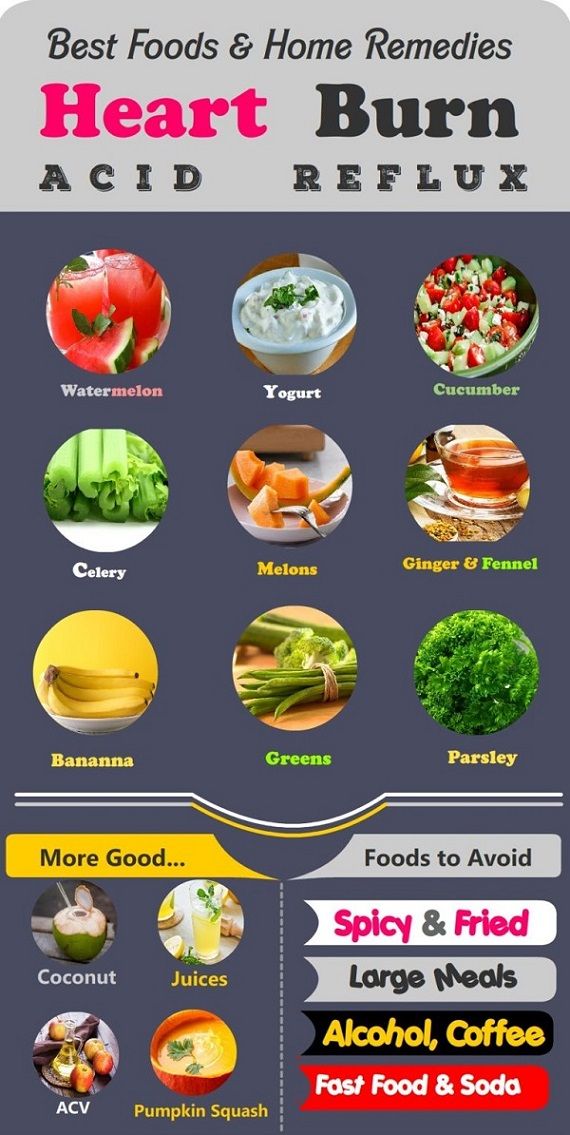
Heartburn is a burning feeling behind the breastbone that can happen when stomach contents move back into the esophagus. Occasional reflux is common, but frequent or persistent symptoms may be gastroesophageal reflux disease, or GERD, and deserve medical attention.
Food and lifestyle changes can reduce symptoms for some people. The goal is not to find one universal “natural cure,” but to identify your own triggers and use evidence-based habits that reduce reflux.
Identify Your Personal Food Triggers
Commonly reported triggers include acidic foods such as tomatoes and citrus, alcohol, chocolate, coffee and other caffeine sources, high-fat foods, mint, and spicy foods. Not everyone reacts to the same foods, so keeping a simple food-and-symptom record can be more useful than eliminating everything at once.
The National Institute of Diabetes and Digestive and Kidney Diseases explains that diet changes should focus on foods and drinks that actually worsen your symptoms. Its GERD diet guidance also recommends avoiding meals for at least three hours before lying down when nighttime reflux is a problem.
Change Meal Timing and Portion Size
Large meals can make reflux more likely for some people. Smaller portions and an earlier evening meal may be easier to tolerate. Remain upright after eating rather than lying down immediately.
Be Careful With Garden-Herb Remedies
Ginger, chamomile, fennel, and other herbs are often used in teas for digestive comfort, but they are not established replacements for GERD treatment. Herbal products may also interact with medicines or be unsuitable for some health conditions.
Mint deserves special caution because peppermint and other mint products can worsen reflux in some people. If you grow herbs for cooking, our Italian herb garden guide can help you choose culinary plants without treating them as medicines.
Do Not Rely on Baking Soda as Routine Treatment
Baking soda contains sodium bicarbonate and can neutralize acid, but homemade dosing is not appropriate for everyone and can add substantial sodium. If you need medication for recurring heartburn, discuss appropriate antacids, H2 blockers, proton pump inhibitors, or other treatment with a clinician or pharmacist.
Build Meals Around Foods You Tolerate
A garden can supply vegetables and herbs for simple meals, but “fresh” does not automatically mean reflux-friendly. Tomatoes, hot peppers, and mint may be troublesome for some people, while other vegetables may be comfortable. Our container vegetable gardening guide offers ideas for growing a range of crops so you can focus on foods that suit you.
Consider Other Lifestyle Factors
For people with overweight or obesity, weight loss may reduce GERD symptoms. Quitting smoking can also help. If symptoms occur at night, a clinician may recommend elevating the upper body during sleep rather than simply stacking extra pillows under the head.
Planning meals around fresh herbs can still be enjoyable even when some ingredients trigger reflux. Our herb gardening guide covers practical ways to grow culinary herbs in beds and containers.
Know When Heartburn Needs Medical Care
See a healthcare professional if reflux symptoms persist despite lifestyle changes or over-the-counter treatment, or if you have trouble or pain with swallowing, persistent vomiting, unexplained weight loss, signs of gastrointestinal bleeding, or other concerning symptoms. Chest pain can have causes other than reflux and may require urgent evaluation.
Occasional heartburn may improve with sensible meal timing and trigger avoidance. Frequent reflux is different: it deserves proper diagnosis and a treatment plan rather than repeated experimentation with home remedies.