
Garden design trends change, but the strongest ideas usually last because they make a space easier to use and maintain. Intentional layouts, flexible outdoor living areas, layered planting, and simpler maintenance plans remain useful long after a particular style falls out of fashion.
The goal is not to follow every trend. It is to borrow ideas that fit your property, climate, and the way you actually use the garden.
Design With a Purpose
Start by deciding what the space needs to do: provide shade, grow food, support pollinators, create privacy, or offer a place to sit. The University of Georgia Extension recommends beginning landscape plans with a site analysis and clear goals in its landscape planning guide.
Use Small Spaces Efficiently
Compact patios and courtyards benefit from vertical planting, movable containers, and a limited number of focal points. Our small garden design guide explains how to make limited space feel more useful without overcrowding it.
Bring Containers Into the Design
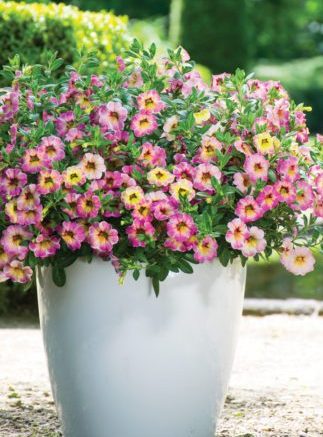
Containers add seasonal color and can be moved when light or weather changes. Our outdoor container guide covers drainage, material, and sizing considerations.
Plan for Wildlife and Pollinators
Modern garden design increasingly values habitat as well as appearance. Adding a sequence of flowering plants can support beneficial insects while extending seasonal interest. Our pollinator-friendly garden guide offers practical planting ideas.
Make Maintenance Part of the Design
Leave enough room to prune, weed, water, and move through beds comfortably. Store tools close to where they are used and avoid filling every open area with plants that will become crowded later.
Choose Lasting Ideas Over Short-Term Trends
A well-designed garden should still function after the current trend changes. Use durable materials, plants suited to the site, and a layout that fits daily life. Style can evolve around that foundation.