
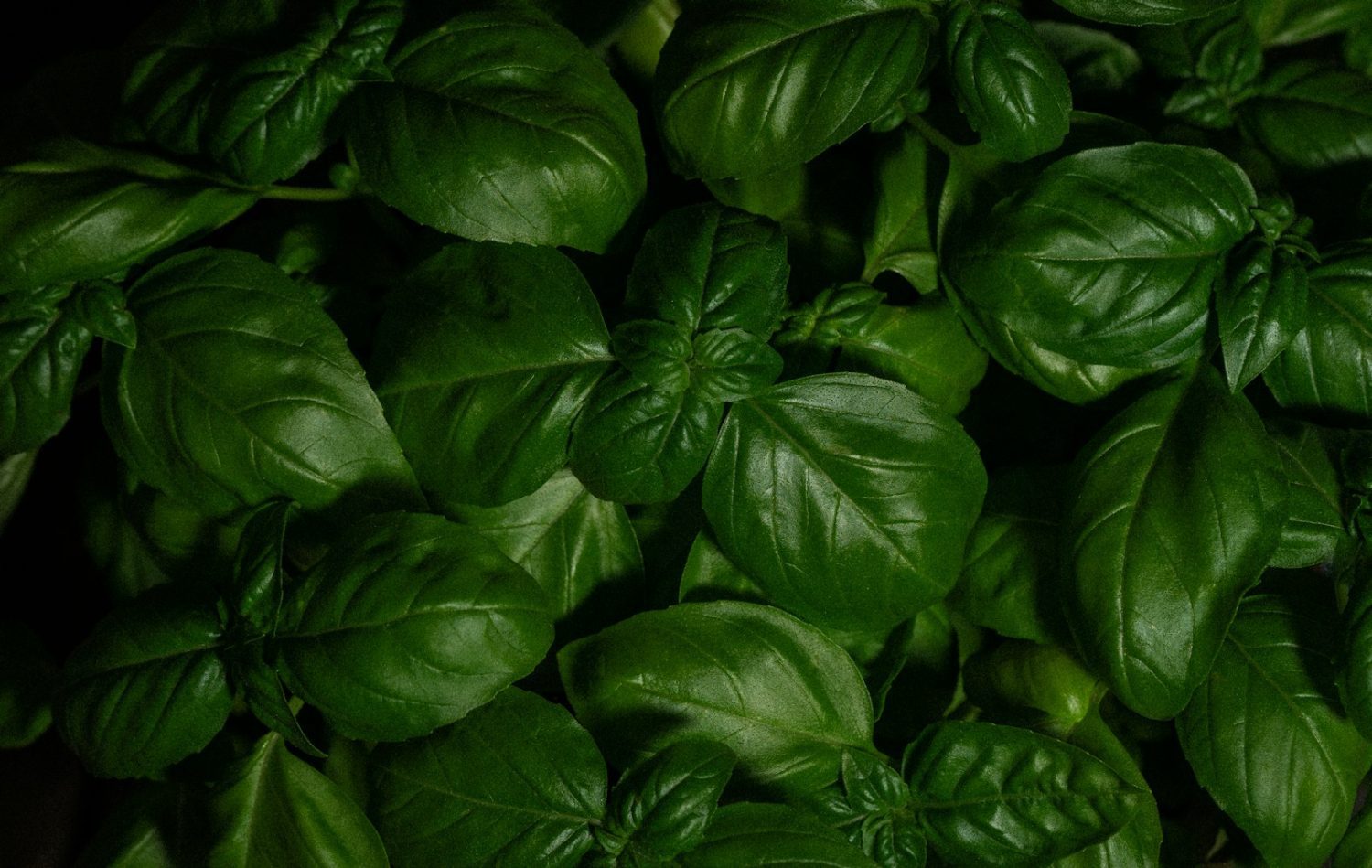
Basil includes many varieties with different flavors, colors, leaf shapes, and growth habits. Sweet and Genovese basil dominate Italian cooking, while Thai, lemon, cinnamon, purple, and compact types offer very different uses in the kitchen and garden.
Most basil types share the same basic preference for warm weather, strong light, good drainage, and regular harvesting.
Sweet and Genovese Basil
Sweet basil is the familiar green culinary basil used in pasta, sauces, salads, and pesto. Genovese types are selected for large aromatic leaves and strong classic flavor. Sweet Italian basil is a dependable example for traditional kitchen use.
Thai Basil
Thai basil usually has narrow green leaves, purple stems, and a stronger anise-like flavor than sweet basil. It holds its flavor well in hot dishes and is widely used in Southeast Asian cooking.
Lemon and Cinnamon Basil
Lemon basil has a noticeable citrus aroma that works well in salads, fish dishes, and summer drinks. Cinnamon basil combines basil flavor with warm spicy notes and also makes an attractive flowering plant.
Purple and Dark-Leaved Basil
Dark Opal and other purple basils are useful for edible color in salads and herb gardens. Their flavor is usually somewhat different from classic sweet basil, but they are still culinary herbs as well as ornamental plants.
Greek and Compact Basil
Small-leaved Greek and globe basil types form tight mounds that fit containers and borders well. Their small leaves can be harvested whole and used as a garnish or seasoning.
African Blue Basil
African Blue basil is a sterile hybrid with purple stems and abundant flowers that attract pollinators. It can live for multiple years in frost-free climates but should be treated as tender where winter temperatures drop below freezing. Our guide to Thai basil and African Blue basil covers these two types in more detail.
Growing Basil Successfully
University of Minnesota Extension recommends six to eight hours of bright light, well-drained soil, and regular harvesting for basil. Its basil-growing guide also recommends waiting until frost danger has passed before planting outdoors.
Keep the root zone evenly moist without leaving plants waterlogged. Pinch or harvest stems regularly to encourage branching and delay flowering when leaf production is your priority.
Preserve Extra Basil
When plants are producing more than you can use fresh, freezing is a practical option. Our guide to storing and freezing fresh basil explains several simple methods.
Choose Basil by Flavor and Space
Pick sweet or Genovese basil for classic Italian cooking, Thai basil for stronger anise notes, lemon basil for citrus flavor, and compact types when container space is limited. Growing more than one variety is an easy way to add both culinary variety and visual interest to the garden.