
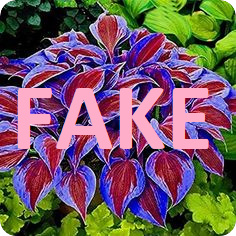
Unrealistic plant photos are common in online ads for seeds and rare plants. Extreme rainbow flowers, impossible color combinations, oversized blooms, and heavily edited foliage can make a listing look exciting even when the plant does not exist.
Before buying, verify the plant name, compare photos from reliable horticultural sources, and check whether the seller has a real history outside the marketplace where the ad appeared.
Look for Impossible Colors and Repeated Patterns
Digitally altered plant photos often show colors that do not match known cultivars, identical flowers repeated across the image, or edges that look unnaturally sharp or blurred. A quick image search can reveal whether the same picture has been reused to advertise several different plants.
Verify the Plant Name
Legitimate listings usually provide a recognized botanical or cultivar name. Search that name independently and compare the growth habit, leaf shape, flower form, and color. Our article on Firefly Petunia is a useful example of an unusual plant that is real and documented rather than simply a manipulated image.
Compare With Real Cultivars
If an ad shows a petunia in an unbelievable color, compare it with established cultivars such as Double Vogue White petunia. Real cultivars have consistent descriptions, known growth habits, and photos that match across multiple reputable sources.
Be Careful With Marketplace Sellers
The Federal Trade Commission recommends checking the seller, reading reviews critically, comparing products across sources, and using payment methods that offer buyer protection. Its online shopping guidance also advises keeping records and checking refund policies before you buy.
Do Not Assume Every Strange Plant Is Fake
Plant breeding and biotechnology can create genuinely unusual traits. That is why verification matters more than simply deciding that anything unfamiliar must be edited. Our guide to nearly black flowers shows how dramatic colors can exist naturally within real cultivars.
Buy the Plant, Not the Picture
A convincing photo is not proof that a plant exists or that seeds will produce what is shown. Verify the name, compare reputable sources, check seller history, and be especially cautious when the image looks more like digital art than horticulture.